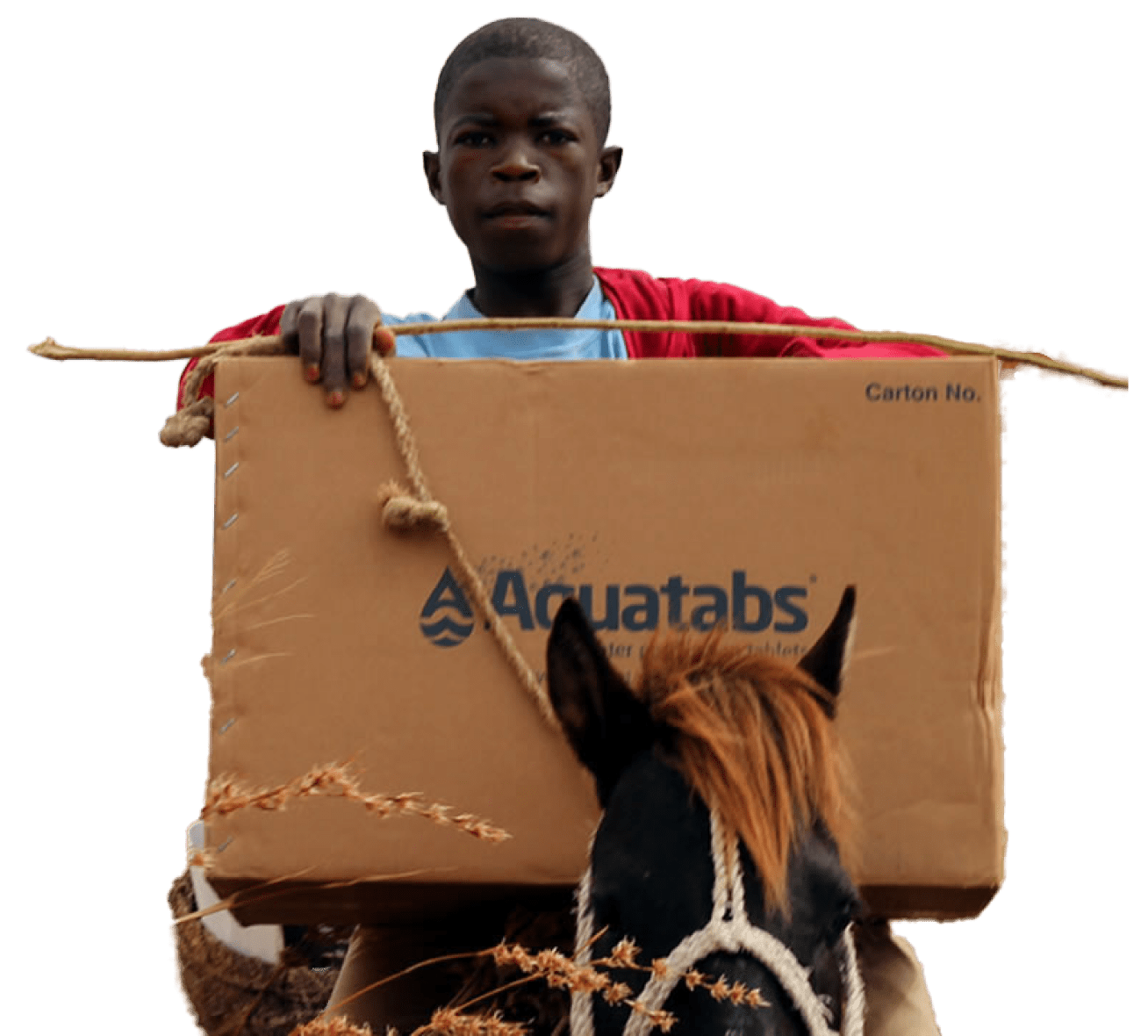
In 2026, emergency water disinfection is back at the centre of the global water conversation. Flooding, displacement, damaged infrastructure and cholera outbreaks are once again exposing how quickly access to safe drinking water can be disrupted, especially in emergency and humanitarian settings. According to the WHO (World Health Organisation), 18,715 new cholera and acute watery diarrhoea cases were reported in February 2026 across 17 countries, territories and areas, and the WHO continues to assess the global cholera risk as very high.
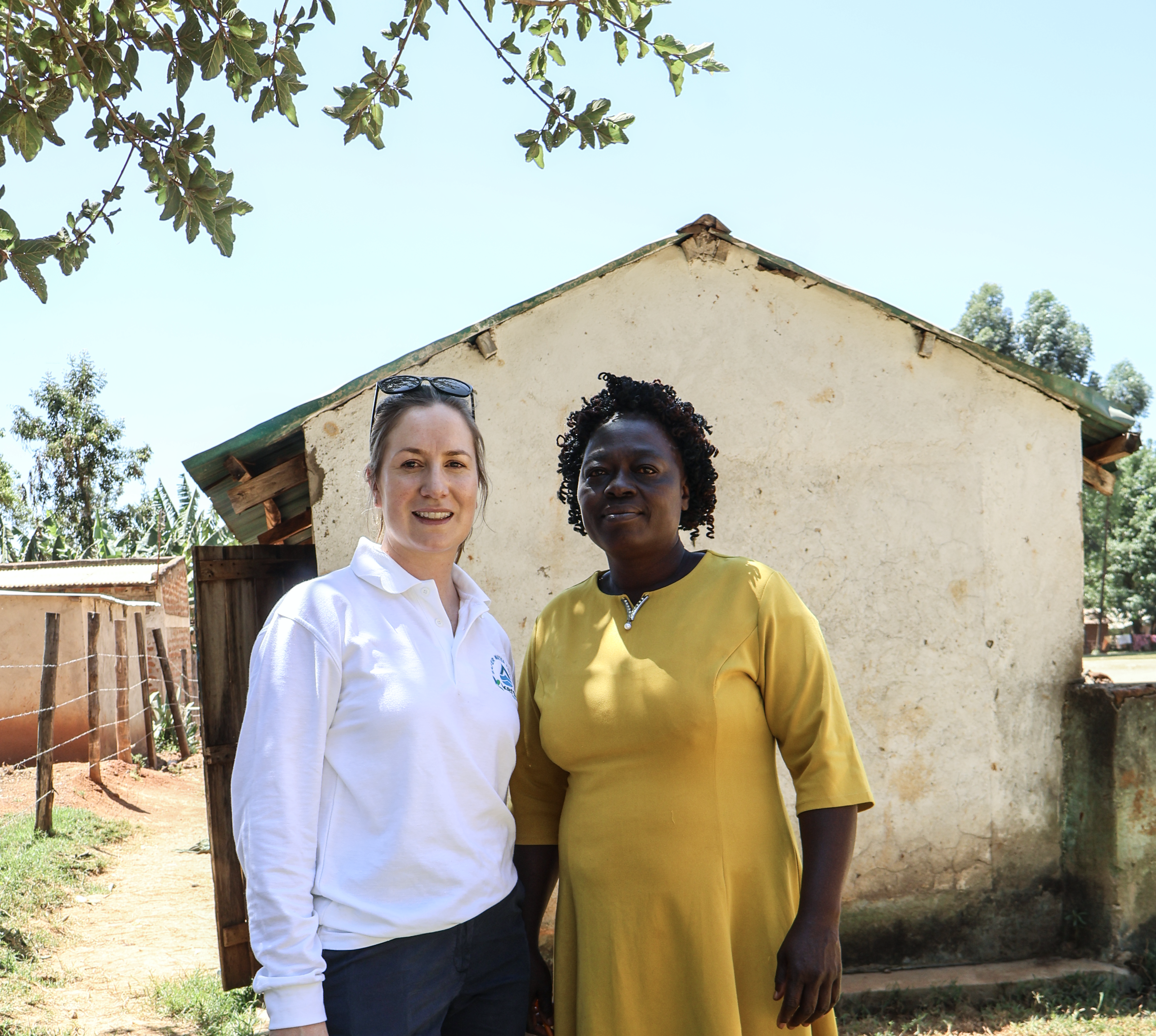
To explore what this means in practice, we spoke to Kate Devereux Aquatabs Partnerships & Engagement Manager about why this issue is back in focus, what communities and NGOs need most, and where household water treatment fits into the wider response.
Q: Kate, why is emergency water disinfection back in focus in 2026?
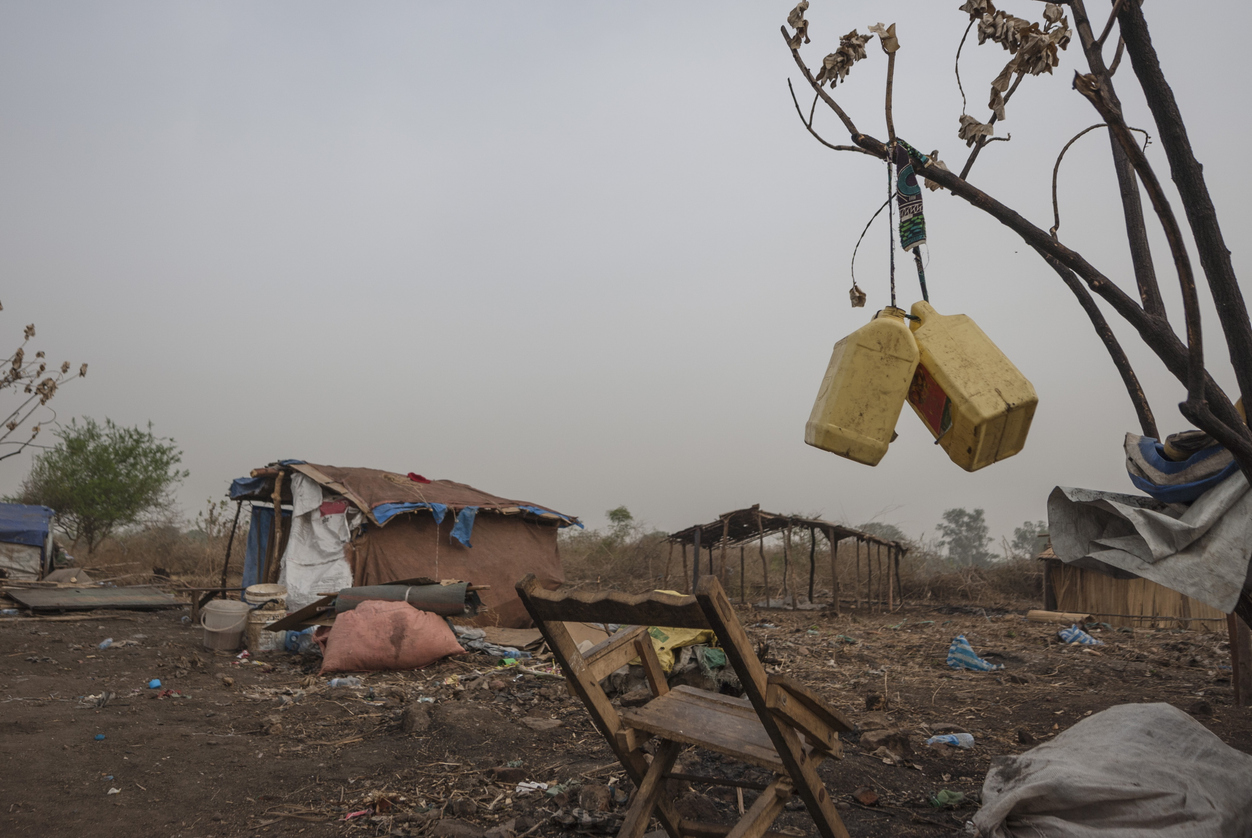
Kate: What we are seeing in 2026 is a combination of pressures coming together at once. Cholera remains a major global health issue, while flooding, displacement, and damaged infrastructure are making it harder to protect safe water access in many settings. WHO’s latest cholera update shows both the scale of the challenge and how quickly outbreaks can spread when water and sanitation systems come under strain.
In Southern Africa, for example, the WHO reported that cholera cases rose by more than seven times in the first six weeks of 2026 compared with the same period in 2025, linked to severe flooding, cyclone-related damage and inadequate water and sanitation among displaced populations. The WHO also reported in January that around 1.3 million people had been affected by severe flooding in Southern Africa since mid-December 2025.
Q: What does that mean for NGOs and community partners responding on the ground?
Kate: In an emergency, the challenge is not only water access. It is water safety. Communities may suddenly have to rely on compromised sources, unsafe storage or temporary shelter settings where the risk of contamination is much higher. For NGOs and community organisations, the question becomes very practical: how do we help people protect themselves quickly while broader water systems recover?
The World Health Organisation has long been clear that household water treatment and safe storage can play an important role in emergencies. Its guidance states that after emergencies, families often lack access to safe drinking water and may need to treat water themselves at home or in shelters. Describing household water treatment in these settings as effective, simple and inexpensive.
Q: Where does Aquatabs fit into that conversation?
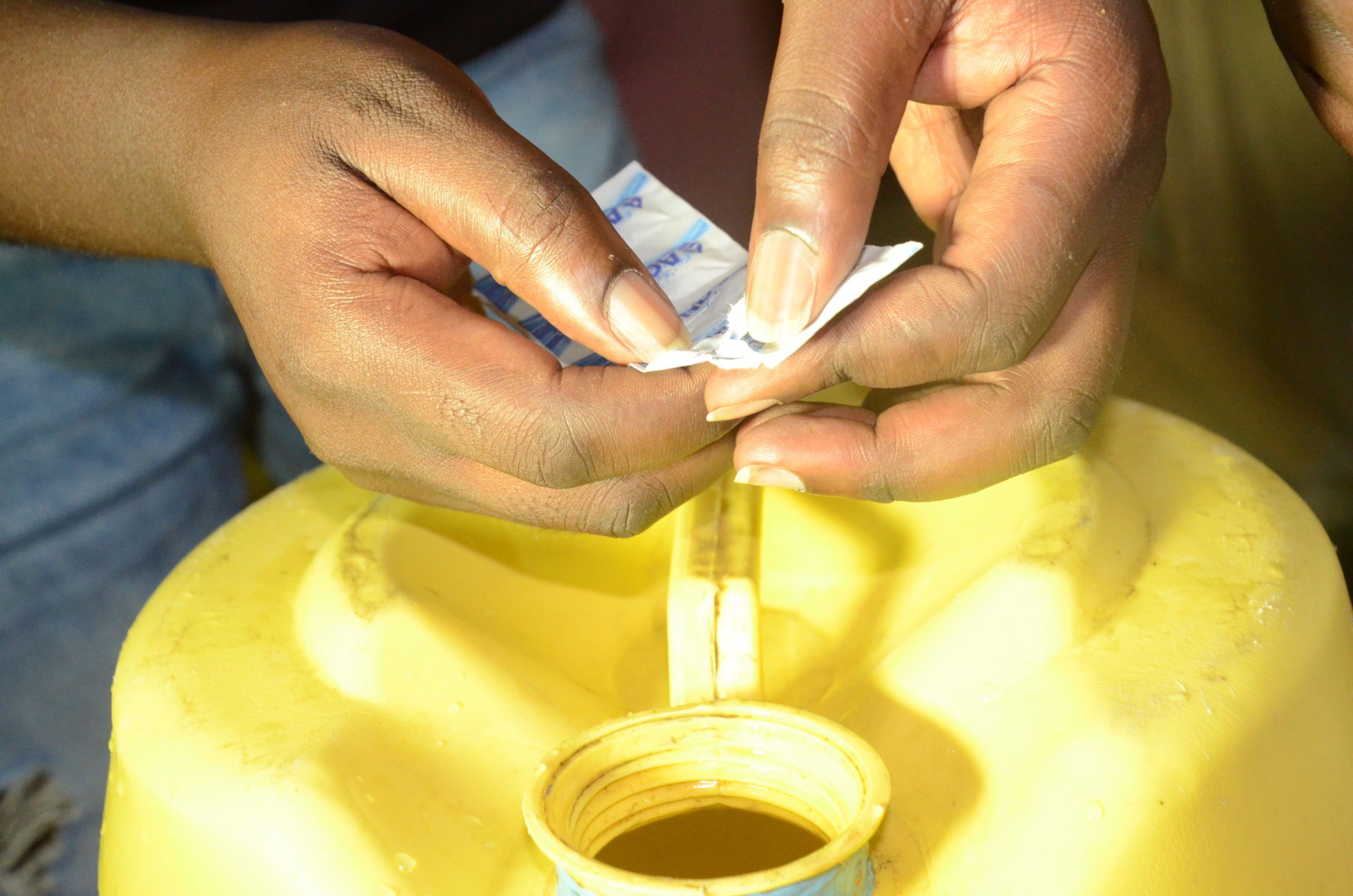
Kate: In emergencies, it is easy to talk about water in technical terms, but for families affected by flooding, displacement or damaged infrastructure, this is about something much more immediate: being able to prepare a drink safely, give children water with confidence, and reduce one more source of risk in an already difficult situation. That human reality is why practical household water treatment matters.
Aquatabs is one of our established household water treatment and safe storage solutions, designed to help communities access safer drinking water when water quality is under pressure. Used in household water treatment since 1986, Aquatabs has supported partners and communities for 40 years in both routine and emergency settings.
Under the WHO International Scheme to Evaluate Household Water Treatment Technologies, Aquatabs met WHO performance criteria and was classified as providing targeted protection against bacteria and viruses. This classification supports its use in household water treatment programmes where tablet-based disinfection is appropriate.
Q: What are communities and NGOs really asking for on the ground?
Kate: Usually, they are asking for solutions that are practical, scalable and easy to deploy. In an emergency, people do not have time for complexity. They need something that can be used correctly, consistently and at household level. That is one reason point-of-use disinfection remains such an important part of the emergency response conversation.
Water purification tablets remain part of the broader WASH supply toolkit used in emergency settings, reflecting the ongoing need for fast, household-level water treatment options when safe water systems are disrupted.
Q: What do you think is most important to communicate about Aquatabs?
Kate: For me, it is about confidence, clarity and practical use. Aquatabs is a water disinfection solution with a long track record in household water treatment. It is familiar to many organisations working in emergency response, and it offers a simple point-of-use option when the goal is to help households access safer drinking water quickly. It is also important that communication stays clear and grounded. Partners need to know what the product is designed to do, how it should be used, and how it fits into a wider approach that includes safe storage, hygiene promotion and community engagement. That is how programmes create better outcomes at household level.
Q: Does that mean product distribution alone is not enough?
Kate: Exactly. Good outcomes depend on more than availability. Community understanding, correct use and safe storage all matter. When people know how to use a solution properly and why it matters, household water treatment becomes much more effective in practice. That is why engagement and education are such an important part of the work NGOs and community partners do every day.
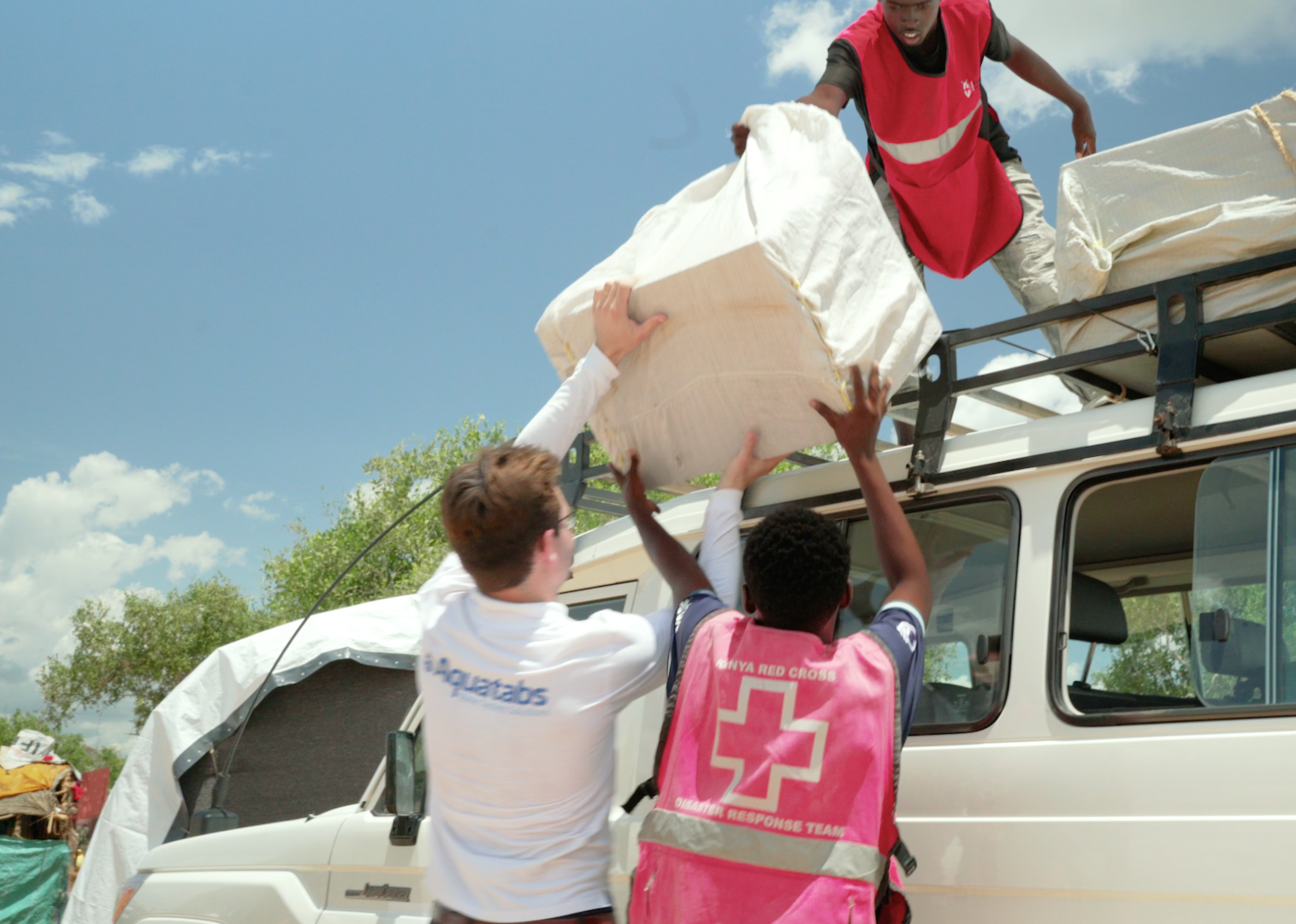
When safe water systems are disrupted, reducing microbiological risk quickly matters.
Q: Looking at the bigger picture, why is this conversation likely to continue?
Kate: Because the pressures behind it are not going away. Climate shocks, outbreaks, displacement and fragile infrastructure continue to put safe water access at risk in many parts of the world. That means emergency water disinfection will remain part of the global water conversation, not as a temporary theme, but as an important part of preparedness and response.
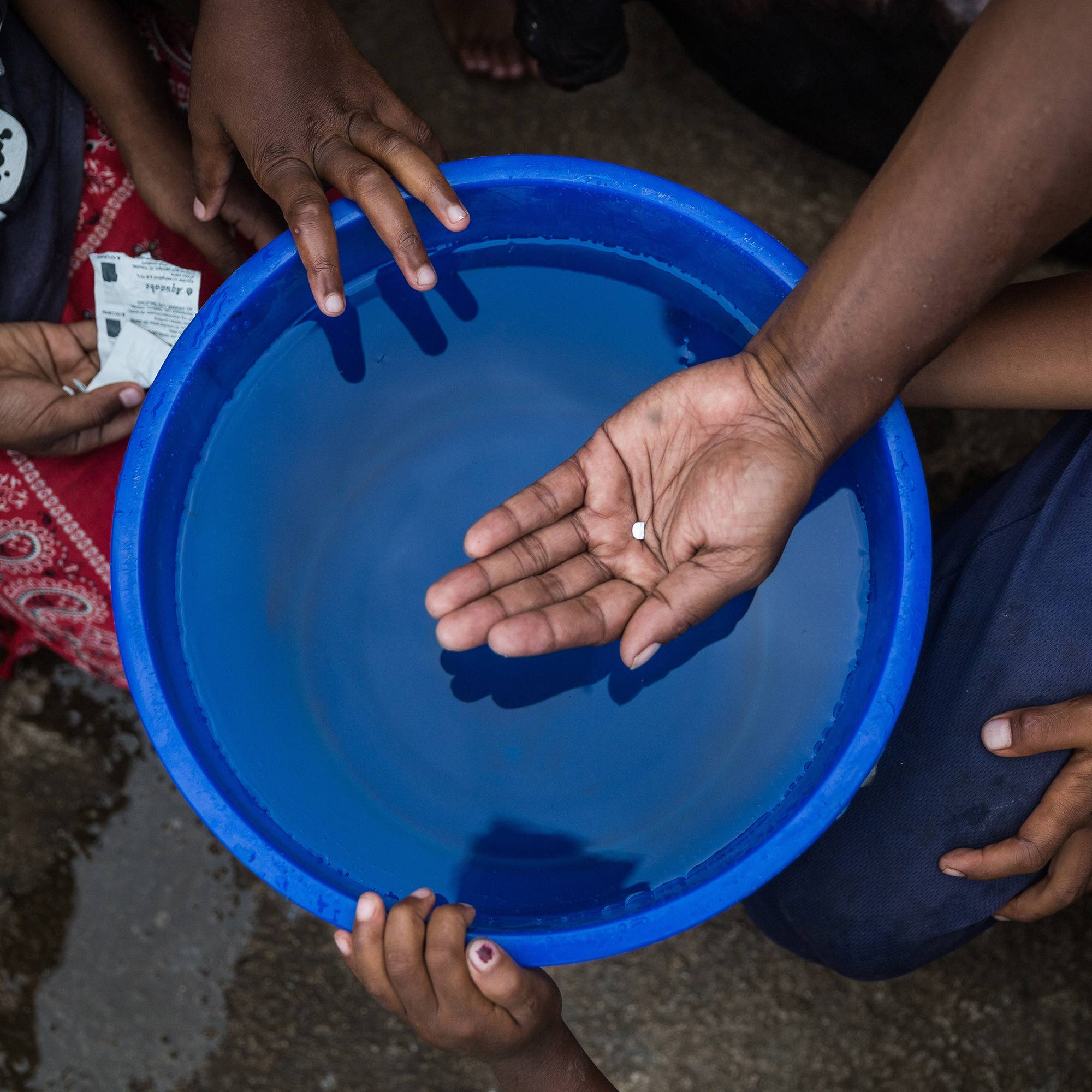
For NGOs, community organisations and humanitarian responders, the priority is simple and urgent: helping people protect their health when safe water is not assured. Household water treatment remains a key part of that response, and Aquatabs continues to play an important role.
In 2026, the need is as practical as ever. When water systems are disrupted, rapid action to reduce microbiological risk can make a critical difference.
With 40 years of use in humanitarian and emergency water treatment environments, Aquatabs is one of our established solutions for supporting safer drinking water. Independent performance evaluations have shown targeted protection against bacteria and viruses. This makes Aquatabs a reliable choice for emergency and community programmes working to help households improve water safety quickly and confidently.
References
- World Health Organisation. Multi-country outbreak of cholera, epidemiological update #35. 27 March 2026.
- World Health Organisation. Aquatabs product evaluation report.
- Medentech. Disinfection in Emergency Relief Situations leaflet.
- UNICEF Supply Division. Water and sanitation.
- World Health Organisation. Household Water Treatment and Safe Storage Following Emergencies and Disasters.
- World Health Organisation. Products evaluated under the WHO International Scheme to Evaluate Household Water Treatment Technologies.