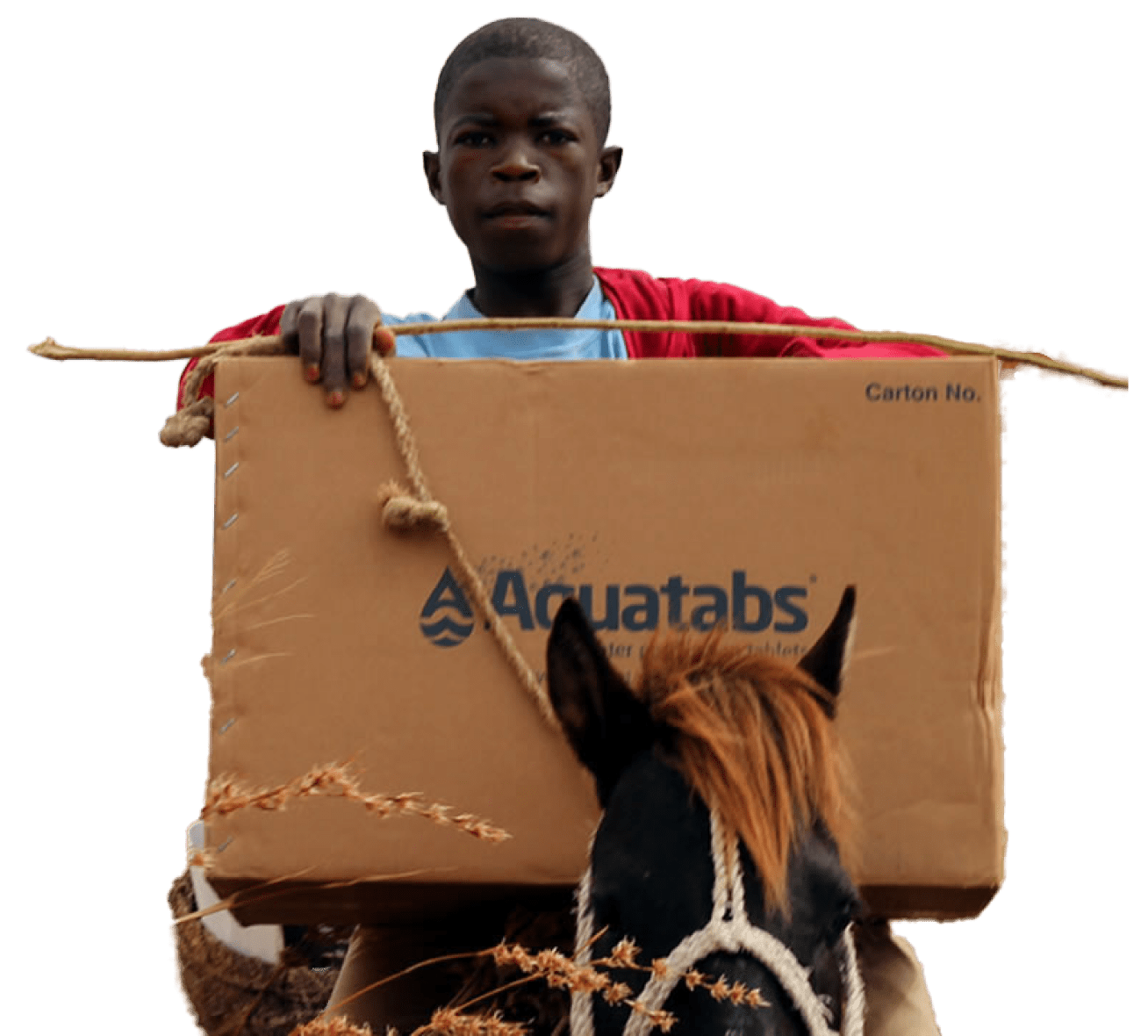
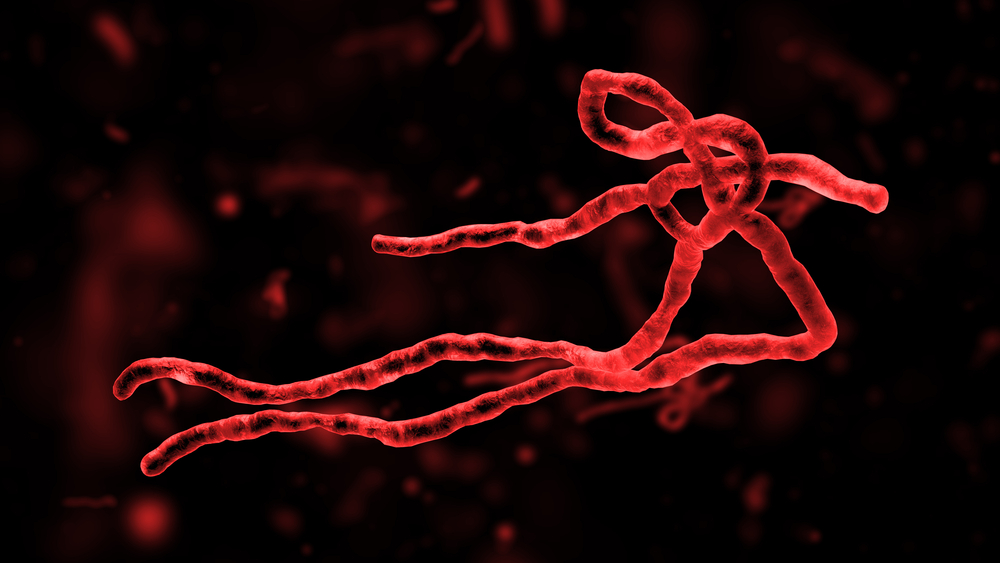
When an Ebola outbreak is reported, concern is understandable. Ebola is a serious disease, and affected communities need fast, coordinated support. But the most helpful response begins with clear facts, trusted public health action and practical systems that can work under pressure.
Ebola is not a waterborne disease. It spreads mainly through direct contact with the blood or body fluids of someone who is sick with, or has died from, Ebola, as well as through contaminated materials. Safe water alone does not stop Ebola, but water, hygiene, and disinfection all play important roles in supporting outbreak response.
For Aquatabs, this is where practical support matters. In emergency settings, response teams need reliable ways to prepare disinfected water, support hygiene routines and help maintain safer environments for healthcare workers, WASH teams and communities.
What is happening now?
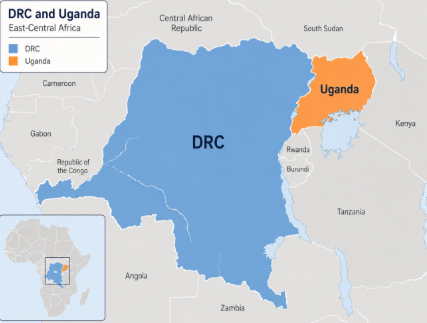
In May 2026, the World Health Organisation confirmed an outbreak of Ebola disease caused by the Bundibugyo virus in the Democratic Republic of the Congo and Uganda. WHO determined that the outbreak constituted a Public Health Emergency of International Concern, reflecting the need for strong coordination and international support, and has reported operational challenges linked to population movement, insecurity, and cross-border movement, all of which can complicate outbreak control.
For affected countries, an Ebola outbreak places immediate pressure on public health systems. Response teams must identify cases, support treatment, trace contacts, protect health workers, strengthen infection prevention and work closely with communities.
It also shows why practical systems matter. Public health response depends on trained teams, reliable supplies, clear communication and community trust.
Understanding Ebola transmission
One of the most important points to make clearly is this: Ebola is not spread through drinking water in the way cholera or typhoid can be.
Ebola spreads through direct contact with infected bodily fluids or materials contaminated with those fluids. That means safe water and disinfection are not treatments for Ebola, and they do not replace clinical care, surveillance, contact tracing, or community engagement.
However, water, sanitation and hygiene remain essential in outbreak response. Healthcare facilities, treatment centres and community teams need water for drinking, hand hygiene, cleaning, laundry, preparation of disinfectant solutions and day-to-day infection prevention routines.
In an outbreak, these practical routines help protect health workers, patients and communities.
The lesson from the 2014 – 2016 Ebola epidemic
The 2014 – 2016 West Africa Ebola epidemic was the largest Ebola outbreak ever recorded. The CDC (Centre for Disease Control and Prevention) describes it as having caused nearly 29,000 cases, and the Africa CDC lists the outbreak among the most significant Ebola events in recent history.
Behind those figures were families, communities, healthcare workers and response teams facing an emergency that tested every part of the public health system.
During the Ebola response, Aquatabs dispatched enough granules to disinfect 8 billion litres of water. The granulate supported a range of essential disinfection activities, from treating water to helping maintain safer hospital and mortuary environments.
That contribution matters because response teams need dependable tools that work at scale. In emergency settings, water disinfection and facility hygiene are not side issues. They are part of the operational backbone that helps healthcare workers, WASH teams and communities respond more safely.
Where Aquatabs Granules fit
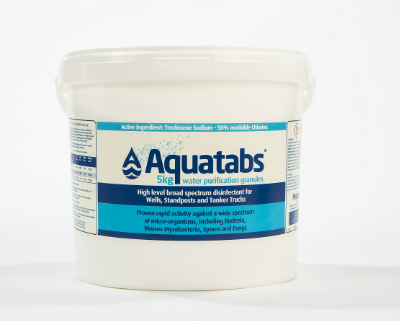
Aquatabs Granules are designed for emergency situations where large volumes of water need to be disinfected quickly and reliably. In outbreak response, products like Aquatabs Granules sit within a broader WASH and infection prevention toolbox.
They do not treat Ebola. They do not replace clinical care, surveillance, contact tracing, safe burial practices or community engagement. Their role is practical and important: helping response teams prepare disinfected water and support hygiene routines in places where systems are under pressure.
In 2014, that role became very real. Aquatabs Granules helped meet large-scale disinfection needs across water, hospital and mortuary settings, demonstrating how a trusted water disinfection product can contribute to the wider public health response.
Why safe water still matters
Safe water matters in Ebola response because public health emergencies depend on functioning systems.
Health workers need reliable water and hygiene routines. Communities need clear advice and practical support. WASH teams need products that are simple to transport, prepare and use at scale. Treatment and response facilities need consistent disinfection practices to help maintain safer environments.
This is not about presenting water disinfection as a cure or a standalone solution. It is about recognising that outbreak response comprises many essential parts, each supporting the next.
Clinical care matters. Surveillance matters. Community trust matters. Infection prevention matters. Safe water and disinfection matter too.
Practical support in a wider response
The most responsible way to talk about Ebola is to be honest about the risk, clear about how it spreads and practical about what helps.
For affected countries, the priority is rapid response, protection of health workers, trusted community communication, and strong infection prevention.
For WASH partners, the priority is to help ensure water, hygiene and disinfection systems can keep working where they are needed most.
Aquatabs Granules are part of that practical response. They help emergency teams work at scale, support safe water access and contribute to the hygiene infrastructure that outbreak response depends on.
In an outbreak, calm facts save time. Trusted systems save lives. And safe water helps the wider response work better
Contact Robert Cooper or Kate Devereux for further information on Aquatabs solutions.
Watch how easy it is to disinfect large volumes of water here: