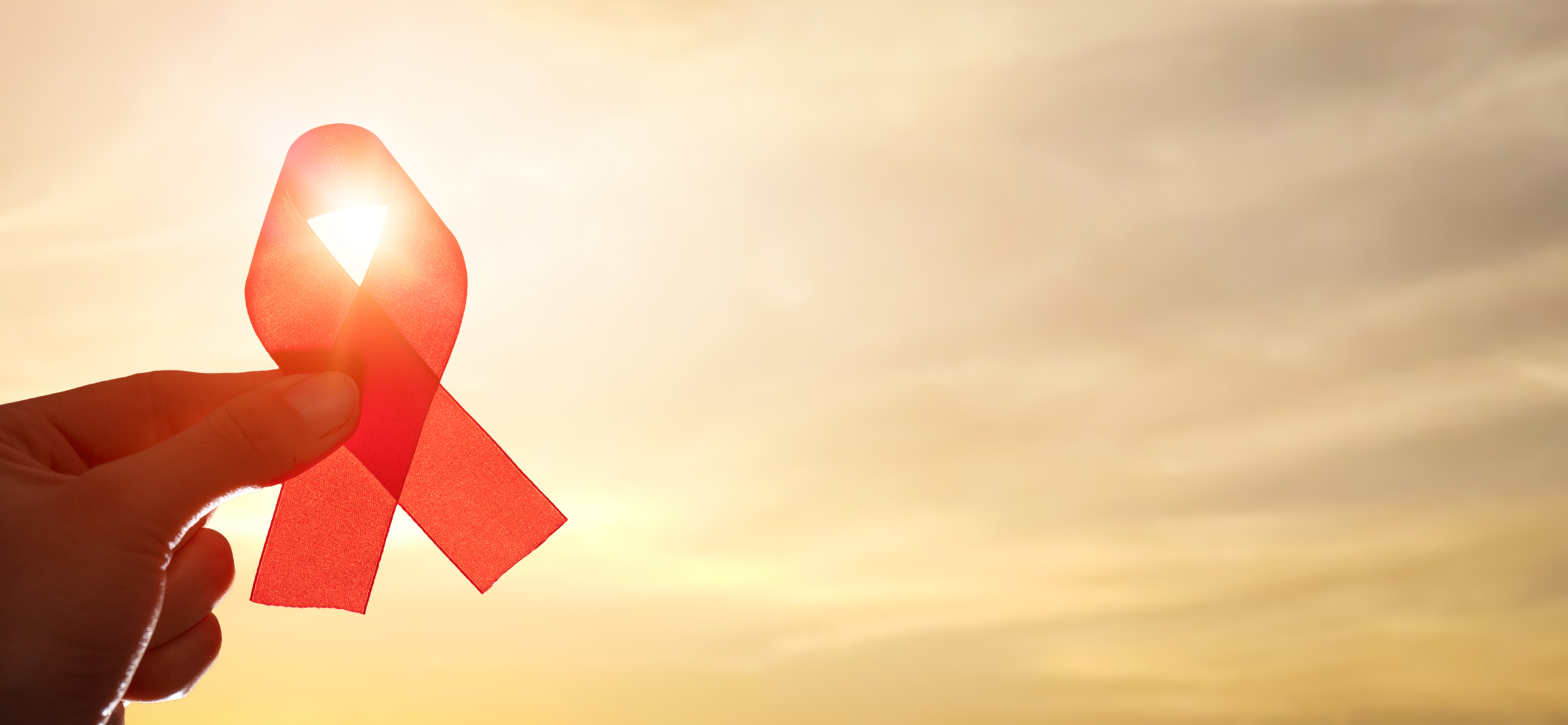
For decades, the world has battled HIV/AIDS with relentless determination, developing life-saving medications, expanding access to care, and building awareness through education. Millions are alive today because of it.
But behind this global progress lies a quiet, often overlooked hero: clean water.
Safe water and sanitation may not be the first things that come to mind when discussing HIV treatment or prevention. Yet for people living with HIV, they are vital. Clean water protects vulnerable immune systems, supports treatment adherence, and enables clinics to provide safe, effective care. In short, it makes everything else work.
This is the story of how water and health go hand in hand – and how global initiatives that combine both are changing lives.
HIV Doesn’t Act Alone – Neither Should the Response
HIV weakens the immune system. This makes people more vulnerable to other infections, especially those transmitted through unsafe water. Diarrhoeal diseases, for example, hit harder and more often in people living with HIV. According to the World Health Organisation, diarrhoea is one of the most common and deadly complications for immunocompromised individuals (WHO, 2008).
In communities where clean water is hard to access, these illnesses are not the exception. They’re the norm. They interfere with treatment. They cause malnutrition. They claim lives that could otherwise be saved.
Clean water is more than prevention. It’s protection.

Medication Depends on More Than a Pill
Antiretroviral therapy (ART) transformed HIV from a fatal diagnosis to a manageable condition. But ART doesn’t exist in a vacuum. It requires daily consistency, often with food and water.
Now picture trying to take your medication every morning, when you have no clean water at home, or when drinking from the local well might make you sick. Side effects worsen. Doses are missed. Treatment breaks down.
A study in AIDS Care found that poor access to water can directly affect ART adherence, especially in resource-poor settings (Grimason et al., 2013). And without adherence, viral loads rise. Transmission risk increases. Hope fades.
Water is part of the treatment. Without it, the full benefit of medicine can’t be realised.
Success Stories: How Integrated Approaches Save Lives
Despite the challenges, countries around the world have shown that integrated care – where clean water, medicine, and education come together – saves lives.
Botswana: Turning Crisis Into Leadership
In the early 2000s, Botswana had one of the world’s highest HIV prevalence rates. But the country made a bold commitment: universal access to ART. Through the Masa Program, supported by international donors, Botswana expanded testing, prevention of mother-to-child transmission (PMTCT), and health system infrastructure – including water access in clinics.
Impact: Today, over 95% of HIV-positive people in Botswana know their status, and 94% are on ART (UNAIDS, 2023). AIDS-related deaths have dropped by over 70%.
https://www.unaids.org/sites/default/files/media_asset/2023-unaids-global-aids-update_en.pdf
South Africa: Scaling Treatment, Saving Lives
South Africa runs the world’s largest HIV treatment program, reaching over 5.8 million people. Life expectancy rose from around 52 years in 2005 to nearly 65 years by 2020, thanks in large part to expanded access to ART (UNAIDS, 2023; Stats SA, 2021).
https://www.unaids.org/en/resources/presscentre/featurestories/2017/april/20170403_south-africa-NSP
Thailand: A Landmark Achievement in Prevention
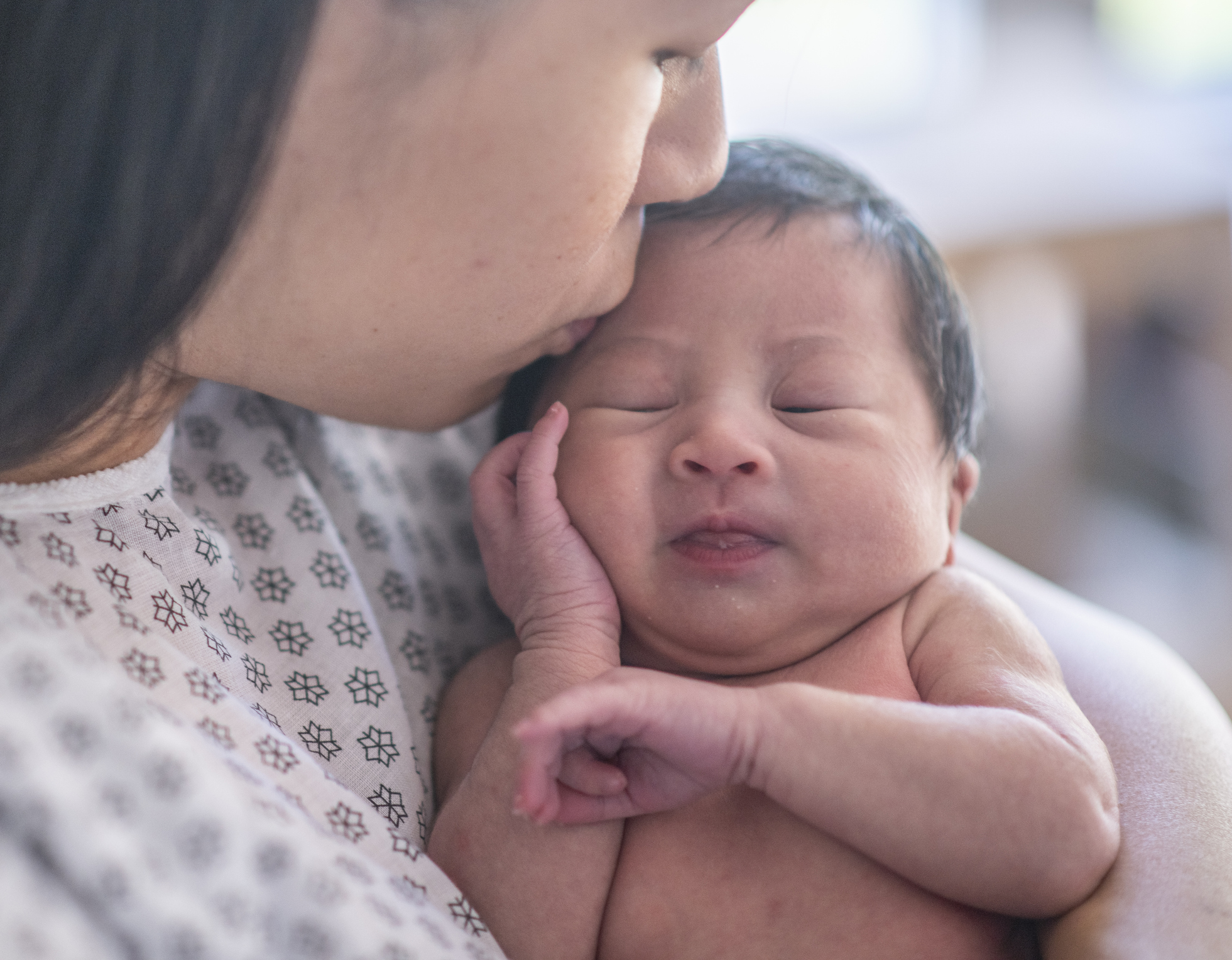
In 2016, Thailand became the first country in Asia to eliminate mother-to-child transmission of HIV and syphilis as a public health threat. Through nationwide HIV testing for pregnant women, free access to antiretroviral therapy (ART), and integrated maternal health services, the country reduced transmission rates from over 20% in the 1990s to less than 2% by 2015. With over 95% of HIV-positive pregnant women receiving ART, Thailand met the WHO criteria for elimination: fewer than 50 new paediatric HIV cases per 100,000 live births and high coverage of maternal services. The achievement was validated by WHO and UNICEF, making Thailand a global model for prevention success.
The Ryan White Program: Equity in Action
In the United States, the Ryan White HIV/AIDS Program provides care to over 560,000 low-income individuals, including access to clean environments, support services, and medication.
Impact: 89% of clients achieved viral suppression, meaning the virus is undetectable and untransmittable (HRSA, 2023).
HRSA (2023): https://hab.hrsa.gov/data/data-reports
Global Initiatives: The Power of Investment
Programs like PEPFAR and the Global Fund to Fight AIDS, Tuberculosis, and Malaria have helped build health systems across 100+ countries, funding clinics, supplying clean water and sanitation facilities, and supporting outreach in hard-to-reach communities.
Impact: PEPFAR alone has saved over 25 million lives. The Global Fund has provided treatment to over 24.5 million people with HIV (PEPFAR, 2023; Global Fund, 2023).
https://www.unaids.org/sites/default/files/media_asset/2023-unaids-global-aids-update_en.pdf
Women, Water, and Risk
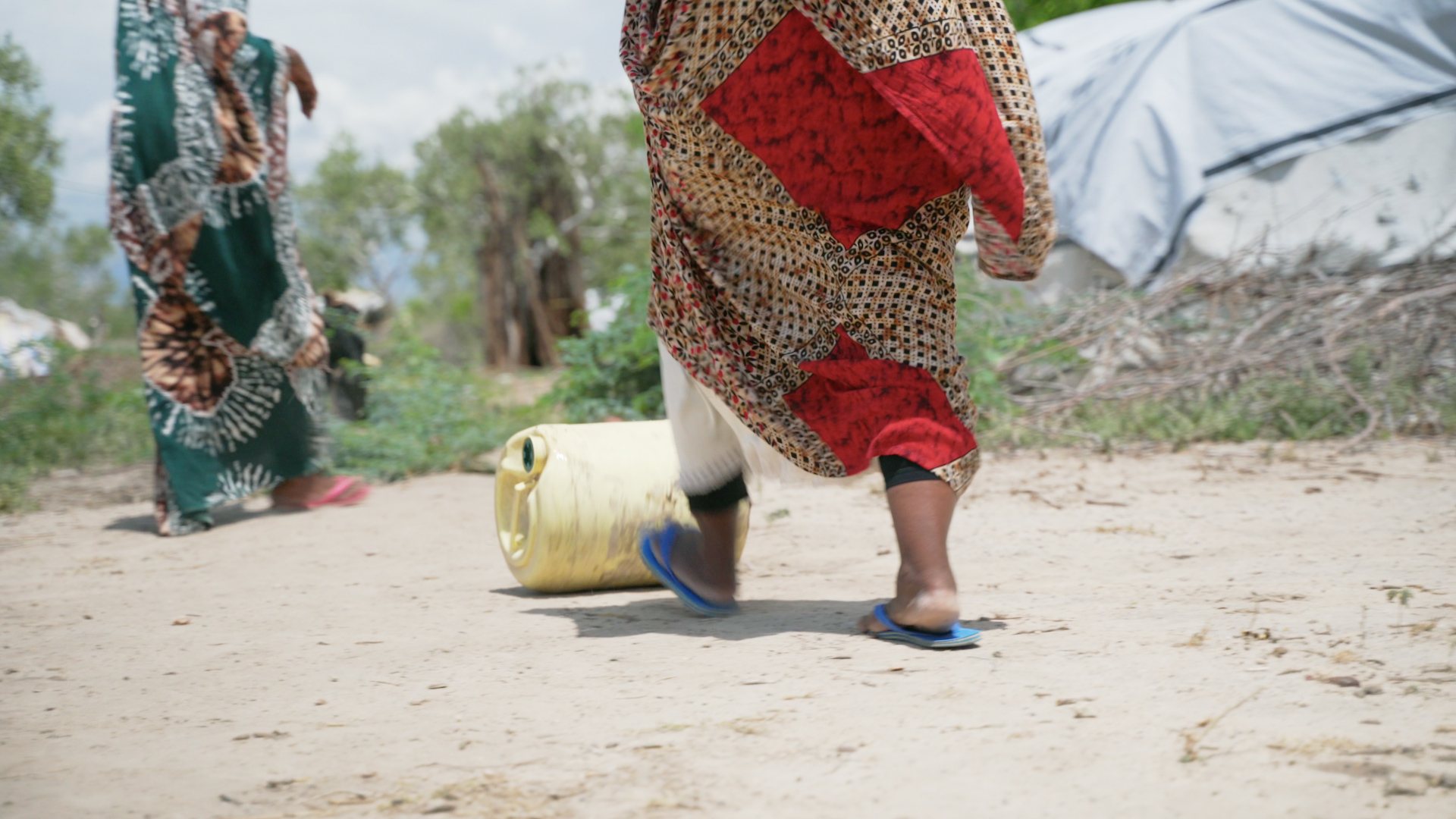
In many parts of the world, collecting water is a task that falls to women and girls. They often walk long distances, sometimes for hours each day, to fetch water for drinking, cooking, and cleaning. These journeys aren’t just time-consuming. They’re risky.
The connection between water collection and HIV is real and rooted in inequality.
Long treks to distant or unsafe water points increase women’s exposure to physical and sexual violence, especially in isolated areas or during early morning and evening hours. Young girls who spend hours collecting water may miss school, limiting their access to education and future opportunities. Economic vulnerability, lack of schooling, and exposure to violence are all well-established risk factors for HIV infection (UNAIDS, 2022).
When communities have access to safe water sources, these risks decrease. Girls stay in school. Women spend less time exposed to danger. And families gain time, safety, and control.
Water access empowers women – and empowered women are better protected against HIV.
Clean Clinics Need Clean Water
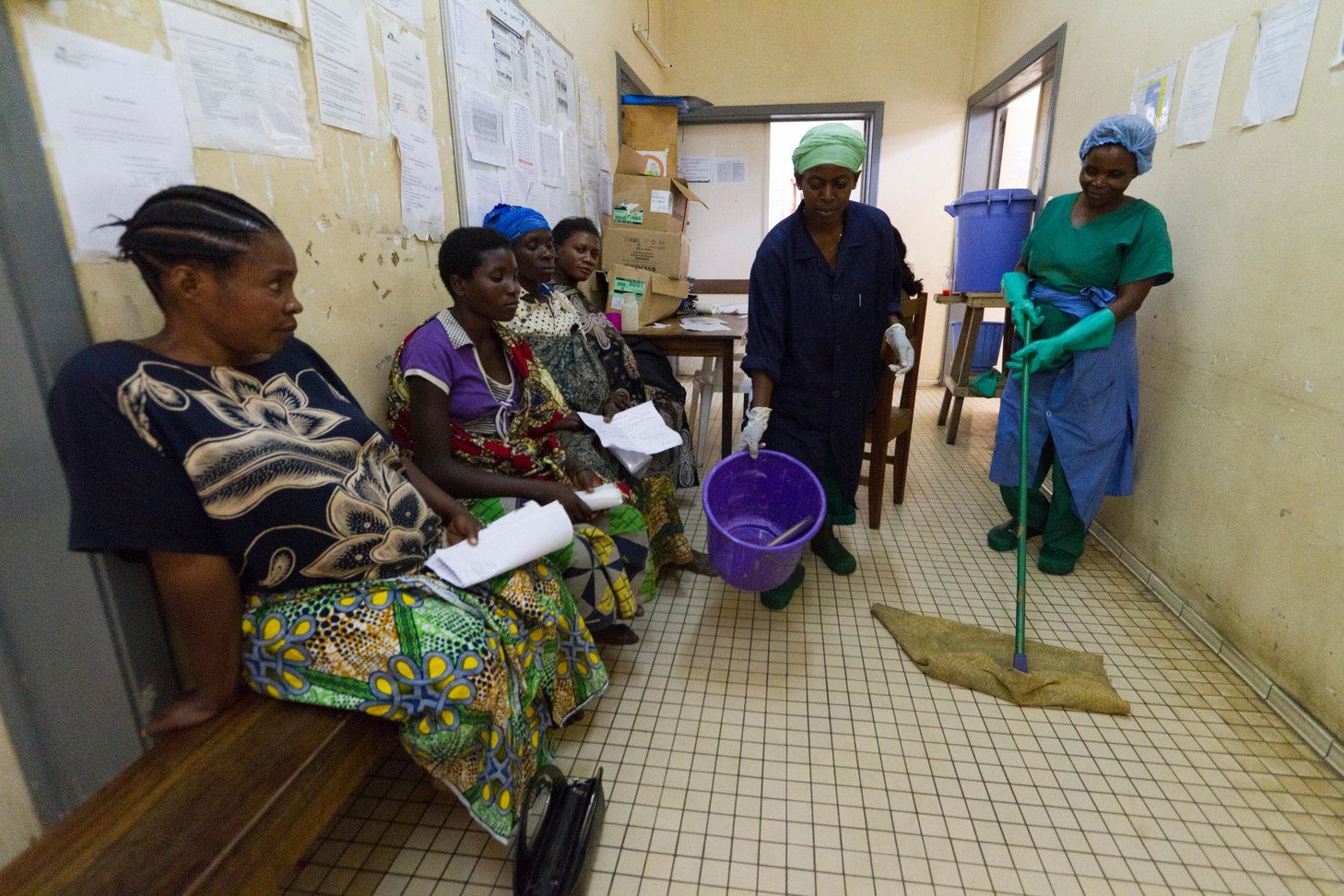
Healthcare settings can’t function without water. Clinics offering HIV services need safe spaces for childbirth, sterile tools, clean hands, and dignified patient care.
Yet according to WHO and UNICEF, 1 in 4 health facilities globally lack basic water services, and 1 in 3 lack handwashing facilities at points of care (WHO/UNICEF JMP, 2021).
It’s not just inconvenient. It’s dangerous.
Providing reliable WASH (Water, Sanitation and Hygiene) services in health facilities protects both patients and staff. It allows for safer ART distribution, PMTCT, and general infection control. It builds trust, so people return for care and stick to treatment.
Why Funding Matters
These successes didn’t happen by accident. They happened because governments and global partners invested in long-term, multi-layered strategies, not just medicine, but the systems that make medicine effective.
Sustained funding is essential for:
- Keeping ART programs running,
- Training health workers,
- Building safe clinics with water and sanitation,
- Expanding outreach and prevention,
- And maintaining the progress made over the last two decades.
Without continued funding, the risk isn’t just slowing progress—it’s reversing it.
The Link is Clear, and It’s Time We Talk About It
HIV/AIDS is not just a virus. It’s a condition shaped by environment, inequality, and access. And in that environment, clean water plays a critical role, silently, consistently, and powerfully. It helps people take their medication. Avoid deadly infections. Deliver babies safely. Live with dignity.
The global fight against HIV/AIDS has shown that with commitment, coordination, and investment, lives can be saved and futures transformed.
But we must see the whole picture. And safe water must be part of it.
Contact Robert Cooper, Kate Devereux for information on the safer water solutions we offer at Aquatabs – Safer Water For All
Other Resources
WHO HIV/AIDS Topic Page: https://www.who.int/health-topics/hiv-aids
UNAIDS 2025 AIDS, Crisis and the Power to Transform: https://www.unaids.org/en/resources/documents/2025/2025-global-aids-update
WHO/UNICEF JMP – WASH in Health Care Facilities 2021 (Report Page): https://washdata.org/monitoring/health-care-facilities
HRSA – Ryan White Program Data Reports: https://hab.hrsa.gov/data/data-reports
Stats SA – Mid-year Population Estimates 2021 (PDF): https://www.statssa.gov.za/publications/P0302/P03022021.pdf