
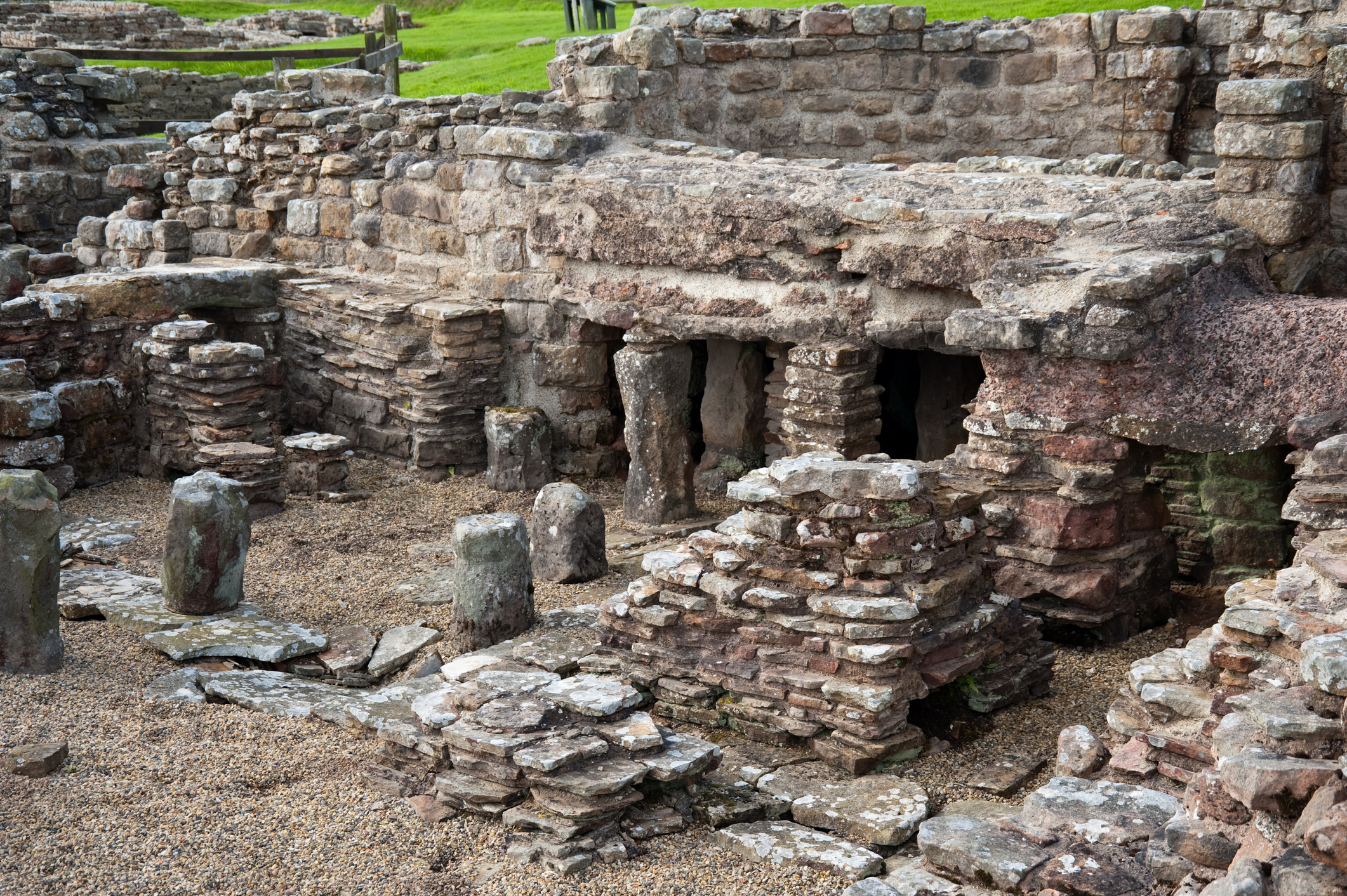
If you’ve ever visited Hadrian’s Wall (or even just seen it in a documentary), it’s easy to focus on the big things: the scale, the ambition, the idea of an empire drawing a hard line across the landscape.
Now zoom in to the day-to-day reality.
It’s the 3rd century CE at Vindolanda, a Roman fort close to the Wall in northern England. You’re a soldier posted on the edge of the empire. The weather is grim, the job is repetitive, and comfort comes where you can find it – a warm meal, dry boots, a visit to the bathhouse.
And the Romans did take hygiene seriously. Vindolanda had baths, communal latrines and a sewer drain. For its time, that’s advanced infrastructure. You can almost hear the logic: move waste away, bring water in, keep the place running.
But here’s the twist – that still wasn’t enough to stop disease spreading.
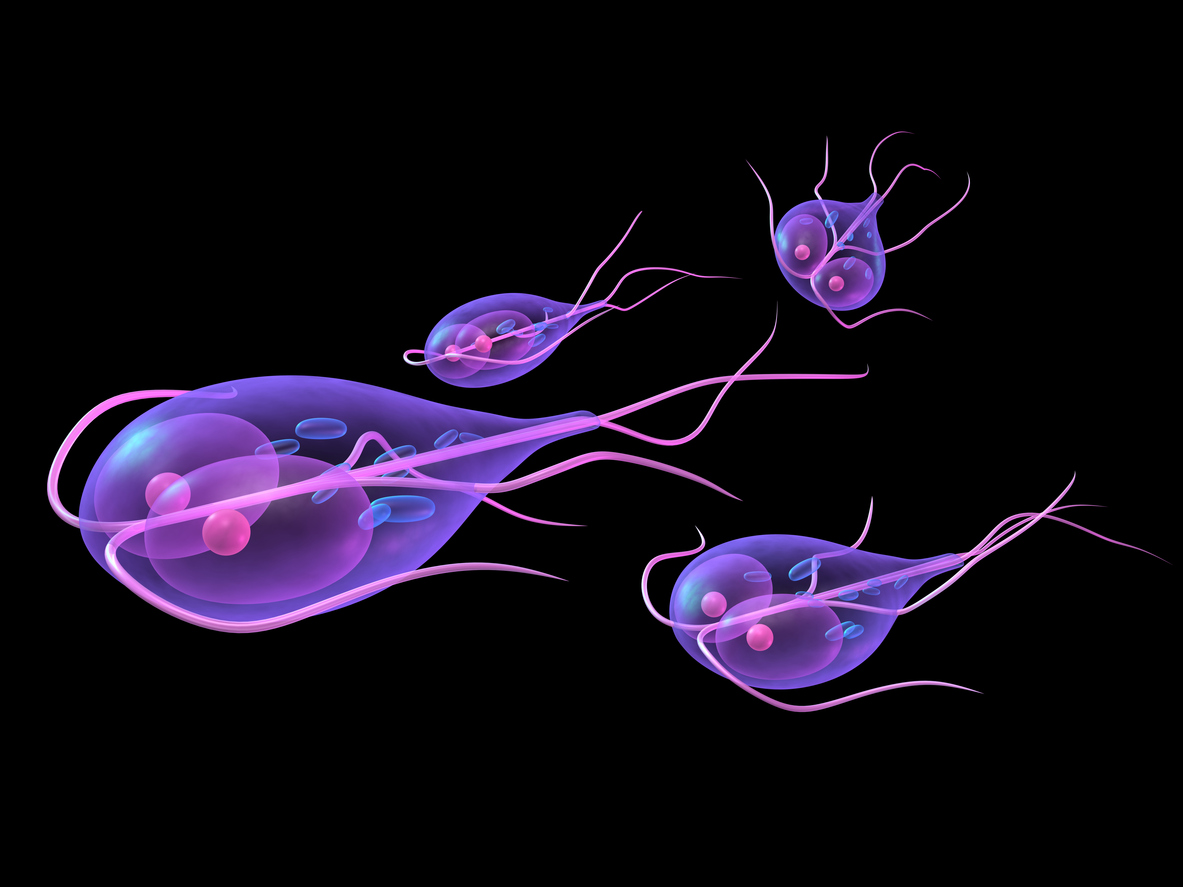
A new analysis of sediment from Vindolanda’s sewer drain shows that the people using those facilities were infected by three intestinal parasites: roundworm, whipworm, and Giardia duodenalis.
And for historians of health, the Giardia finding is particularly striking: it’s reported as the first evidence of Giardia duodenalis in Roman Britain.
What the Researchers Found
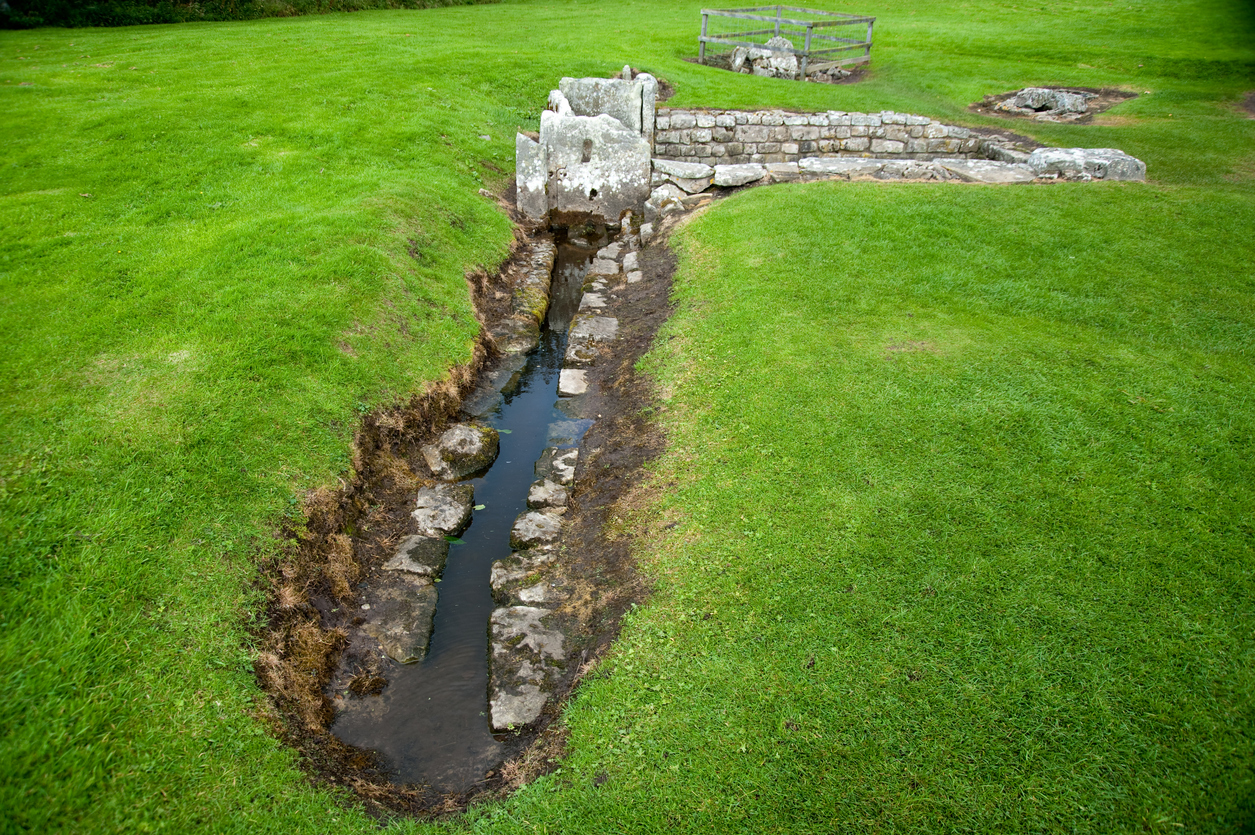
This isn’t speculation based on “Romans probably got sick”. The researchers examined the physical remains left behind in a very specific place: the sewer drain leading from the communal latrine block at Vindolanda’s 3rd-century bath complex.
According to the report, they took 50 sediment samples along a drain about nine metres long, which carried waste from the latrine down to a stream north of the site. Along the way, the drain trapped everyday debris – beads, pottery, animal bones – and, crucially, parasite evidence.
The lab work combined:
- Microscopy to look for worm eggs, and
- ELISA testing to detect traces of protozoan parasites like Giardia
The results were clear enough to be uncomfortable reading:
- About 28% of samples contained roundworm or whipworm eggs.
- One sample contained remnants of both worm species and, when analysed using ELISA, showed traces of Giardia duodenalis.
- A separate sample linked to an earlier 1st-century fort at Vindolanda also contained roundworm and whipworm, suggesting this wasn’t a one-off issue at the site.
The article puts the “how” in plain language: these parasites spread when food, drink or hands are contaminated by human faeces, which is exactly the weak spot in any shared sanitation system when there’s no modern disinfection.
The Roman lesson that still holds: plumbing helps, but it doesn’t guarantee safe water
Vindolanda had toilets, baths and a water system, and yet parasite transmission still happened. The University of Cambridge write-up notes these infections likely weakened soldiers and could have reduced fitness for duty, with helminths causing nausea, cramping and diarrhoea.
That’s the real point for today: good infrastructure lowers risk, but it doesn’t remove it if pathogens can still get into water or onto hands and food. Roman engineers could move water; they couldn’t measure microbes, and they couldn’t disinfect in a controlled way.
Giardia is a particularly useful reminder because it’s tough. The CDC explains that Giardia is protected by an outer “cyst” shell that helps it survive in water and also helps protect it from being killed by some disinfectants.
So if you’re depending on a source you can’t verify, whether that’s a stream, stored water after a disruption, or water from a temporary supply, you need a reliable treatment step, not just a hope that the system upstream is perfect.
Where Aquatabs comes in (and why we make it)
We manufacture Aquatabs because this problem hasn’t gone away. People still get caught out by water that looks fine but isn’t safe. And when conditions are uncertain, you need a method that’s practical and repeatable.
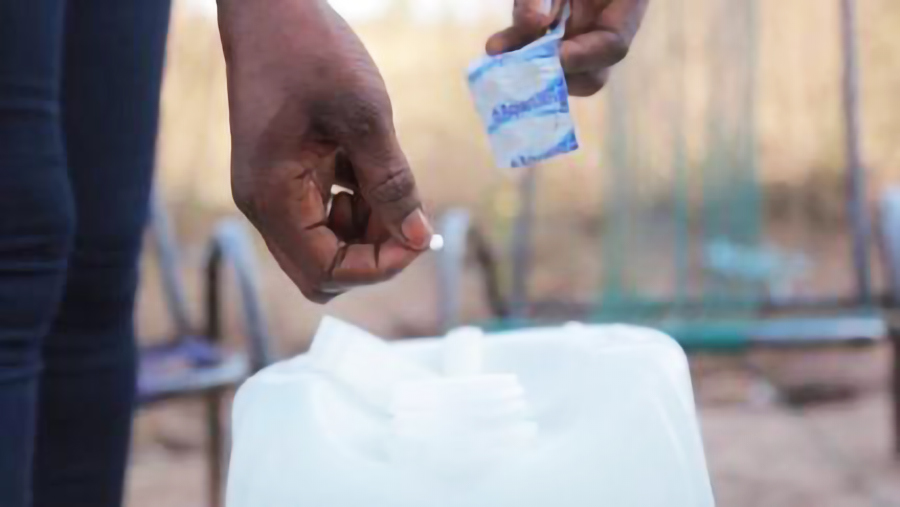
Aquatabs are designed to be simple to use: oner effervescent tablet added to water disinfects in 30 minutes.
Used as directed Aquatabs performance levels:
- 99.9999% reduction in bacteria
- 99.99% reduction in viruses
- 99.9% reduction in cysts (Giardia) tested to the US EPA water purifier challenge test.
Two practical, real-world notes matter here:
If the water is cloudy, filter it through a clean cloth first. Turbidity can reduce how well disinfectants work because particles can shield organisms.
And treatment only works if handling is clean too. The Vindolanda evidence is basically a historic case study in what happens when contamination can move from waste to hands to food and drink.
For higher-demand settings, we also manufacture Aquatabs water treatment systems that disinfect water within the supply line – so treated water is delivered consistently, without relying on every person to dose each bottle or container correctly every time.
A final thought from the frontier
The Romans at Vindolanda had some of the best sanitation engineering of their world – and still ended up with parasites in the drain that point to regular faecal contamination.
The modern difference is that we can finish the job: when the source is uncertain, treat the water properly. That’s exactly why Aquatabs exists, to help reduce the risk of waterborne disease with a method that’s fast, portable, and grounded in tested performance.
Sources:
https://phys.org/news/2025-12-roman-soldiers-defending-hadrian-wall.html
https://www.cdc.gov/giardia/causes/index.html?utm_source=chatgpt.com
https://www.aquatabs.com/how-to-use-aquatabs-guide/