
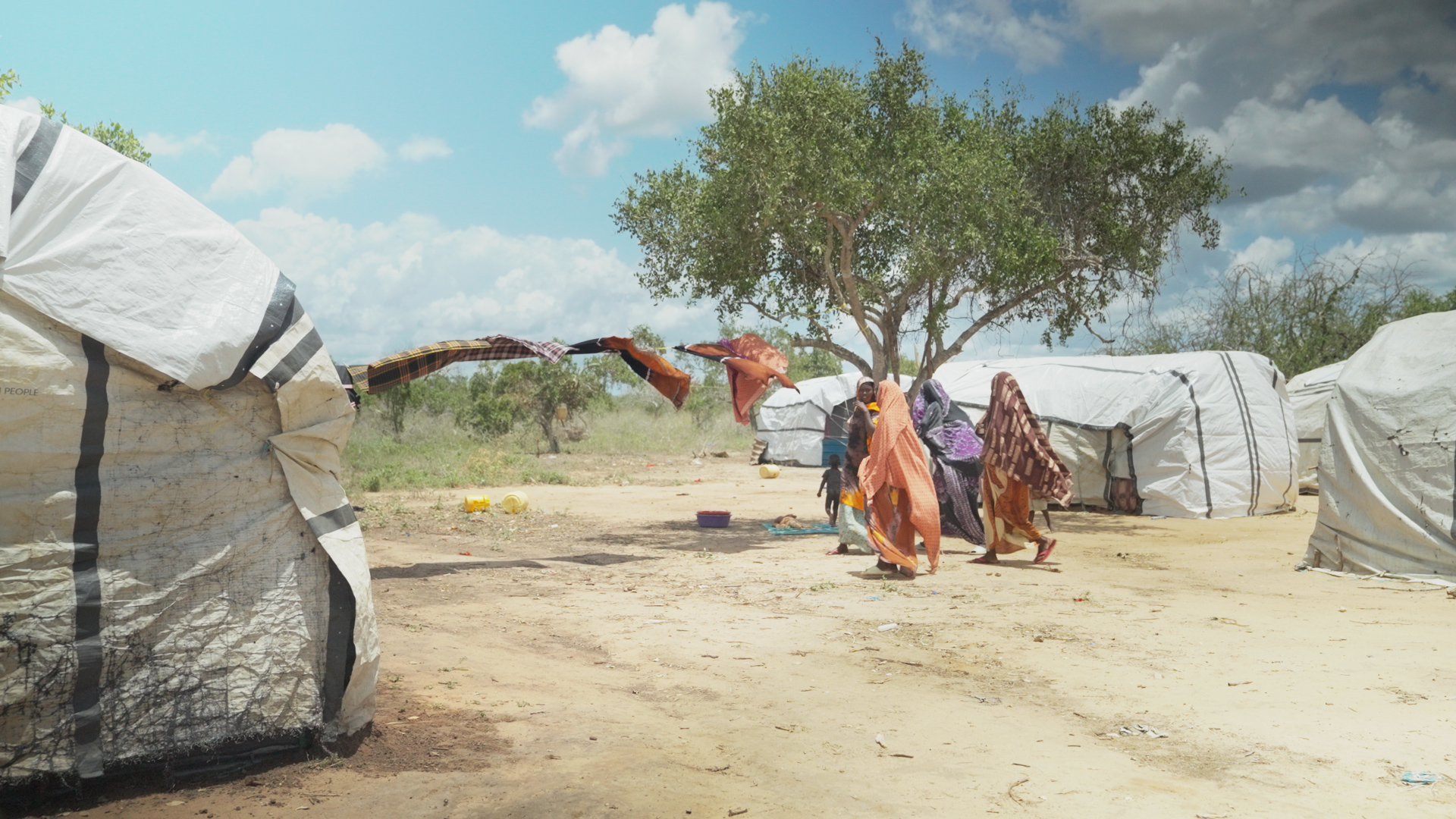
Access to safe drinking water should be part of everyday life. Yet for millions of people around the world, particularly in rural and underserved areas, it remains a daily challenge.
Despite global progress over the past two decades, around 2.1 billion people still lack access to safely managed drinking water services, meaning water that is safe, available when needed, and accessible at home.
These gaps are often most visible in communities where infrastructure is limited or unreliable. In these places, improving water access is not only about building new systems. It is about ensuring that safe water solutions can reach people consistently and reliably.
That requires strong delivery systems that connect technology, supply chains, local partners, and communities themselves.
In 2024, the Aquatabs team travelled alongside distributors and NGO partners to villages and displacement camps in Kenya to better understand how these systems work in practice.
The journey provided a powerful reminder that sustainable water access is built not just on technology, but on the systems that allow it to reach the people who need it most.

Seeing Water Access Challenges Firsthand
During the visit, we met families whose daily routines revolved around collecting water. Children walked long distances each day to fetch water for their households, water that could still carry the risk of disease.
Families in rural villages and displacement camps spoke openly about the challenges they face in accessing safe drinking water. In many communities, water may come from wells, rivers or communal collection points. Even when water is available, ensuring it remains safe from collection to consumption is not always straightforward.
These conversations highlighted the realities faced by communities where water systems are still developing.
But the journey also showed something equally important.
It demonstrated how safe water can reach underserved communities when the right systems are in place.
Watch the Aquatabs Kenya Journey here
The Aquatabs Kenya video shows how water purification tablets move through supply chains, from manufacturers to distribution partners and ultimately to communities. At the household level, families use the tablets to treat water collected from local sources before drinking it.
This process illustrates how simple technologies, supported by strong delivery systems, can help communities improve drinking-water safety in practical and sustainable ways.
How Water Purification Tablets Support Water Safety
Aquatabs tablets contain sodium dichloroisocyanurate (NaDCC), a compound that releases free chlorine when dissolved in water. This produces hypochlorous acid, an effective disinfectant that inactivates many harmful microorganisms and helps make water safer to drink.
Chlorine has long been one of the most widely used disinfectants in drinking-water treatment because of its effectiveness against bacteria, viruses and other pathogens.
For communities collecting water from local sources, chlorine tablet technologies offer several practical advantages:
- Ease of use – Tablets are designed to treat defined volumes of water, making water treatment simple to follow at household level.
- Portability – Tablets are lightweight and compact, enabling efficient transport through local supply chains.
- Consistency – When used correctly, tablets deliver a reliable disinfectant dose, helping ensure that water is effectively treated every time.
- Long shelf life – Tablets can typically be stored for up to 5 years under appropriate conditions, allowing programmes and distributors to maintain reliable stock for long-term use.
These characteristics make water purification tablets a practical complement to existing water sources, particularly in rural communities where centralised treatment infrastructure is not yet fully developed.
However, as our visit to Kenya demonstrated, the impact of these technologies depends on more than the tablets themselves.
The Role of Delivery and Management Systems
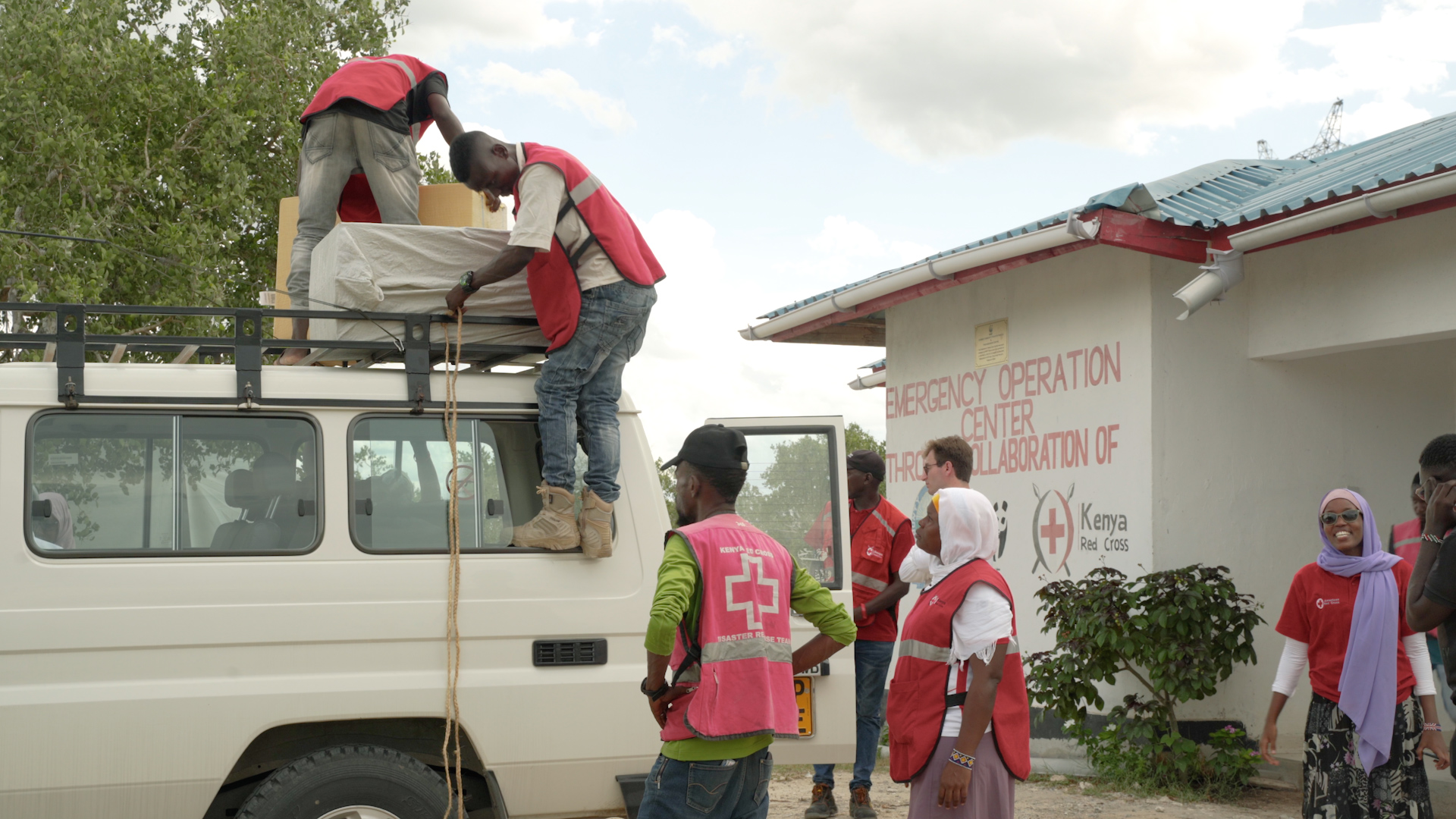
Ensuring safe water reaches underserved communities requires management systems that support reliable distribution and consistent use.
Delivering water purification solutions is not a single step. It involves a coordinated network of partners and processes that keep solutions accessible over time.
Several elements are essential for these systems to function effectively.
Reliable supply chains
Water treatment solutions must remain consistently available. Strong supply chains connecting manufacturers, distributors and local markets help ensure communities can access these solutions when needed.
Local distribution networks
Local distributors and community partners play a critical role in reaching communities that are often outside traditional infrastructure systems. Their understanding of local contexts helps ensure water solutions reach the people who need them most.
Training and guidance
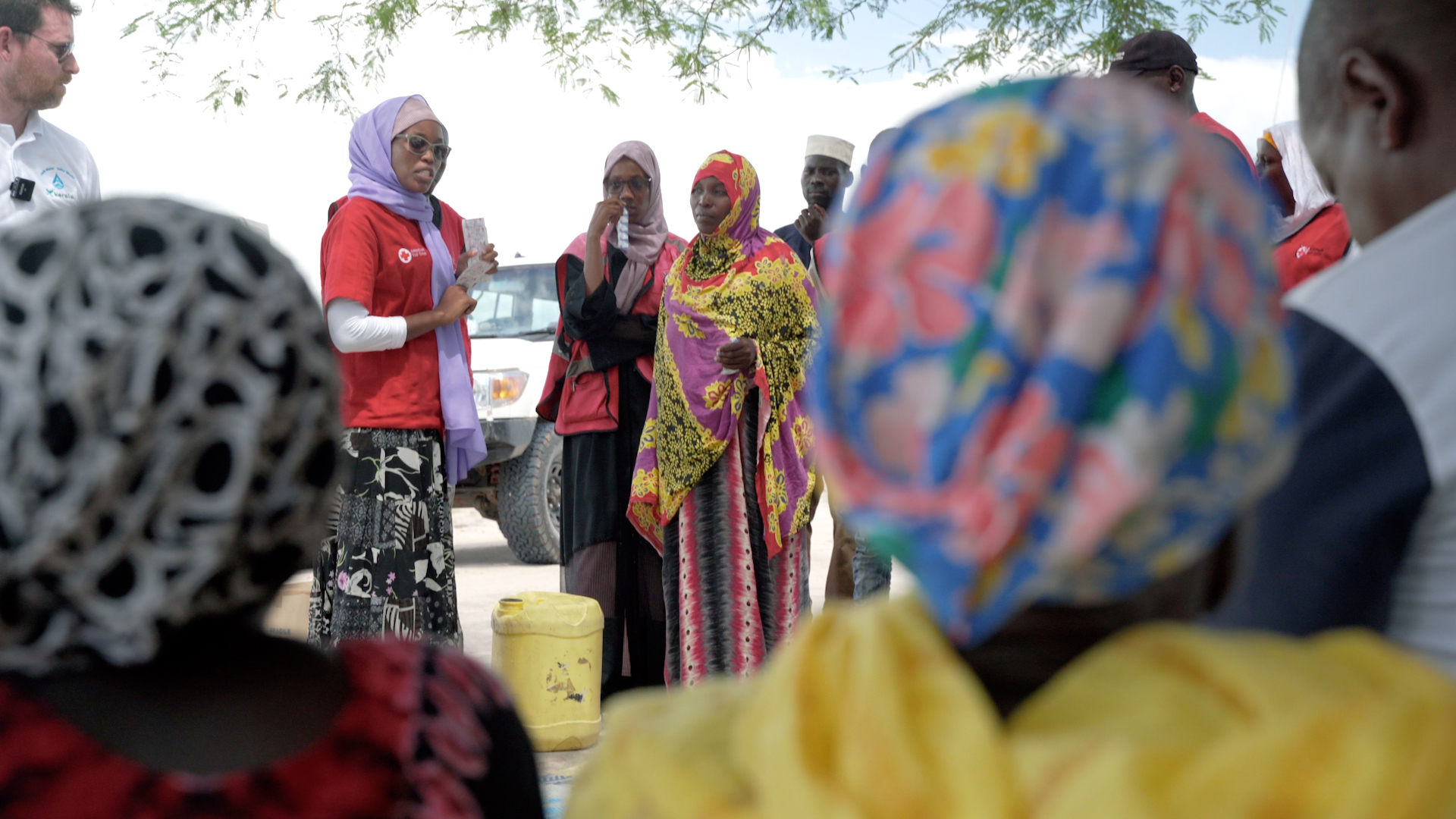
Communities must understand how to treat water properly and store treated water safely. Demonstrations and guidance help ensure treatment practices are used consistently.
Monitoring and ongoing engagement
Continued engagement with communities helps reinforce safe water practices and provides opportunities to address questions about treatment methods.
Together, these elements form the operational foundation that allows water treatment solutions to move beyond short-term interventions and become part of everyday life.
Strengthening Community Confidence in Water Safety
Another key lesson from the Kenya visit was the importance of community engagement.
Water treatment technologies are most effective when communities understand why they are important and how they work. Demonstrations and conversations with families help build confidence in treatment methods and encourage consistent use.
Community leaders, health workers and local partners often play an important role in sharing information and supporting water safety practices.
When communities are actively involved in water management and treatment practices, these behaviours are more likely to become routine.
This combination of technology, training and community participation helps strengthen drinking-water safety at both household and community levels.
Looking Beyond Access
Improving water access in underserved communities is not only about reaching people today. It is about building systems that can continue supporting safe water in the future.
Across the WASH sector, there is growing recognition that sustainable progress depends on strengthening the systems that support water access.
This includes:
- Strengthening supply chains
- Supporting local management structures
- Building technical capacity within communities
- Encouraging collaboration between governments, NGOs and the private sector
Water purification tablets and system solutions can play an important role in these broader systems by providing a practical, scalable method to improve drinking-water safety.
When supported by effective distribution networks and community engagement, these solutions can help communities maintain safe water practices over time.
A Sustainable Path Forward
Our journey in Kenya reinforced a simple but important lesson.
Ensuring safe water reaches underserved communities requires more than delivering a solution once. It requires systems that connect technology, supply chains and communities themselves.
Aquatabs tablets provide a practical tool for families to improve drinking-water safety at the point of use. But their long-term impact depends on the strength of the systems that support them.
Looking ahead, strengthening water systems will increasingly rely on long-term collaborations that combine community engagement with infrastructure development.
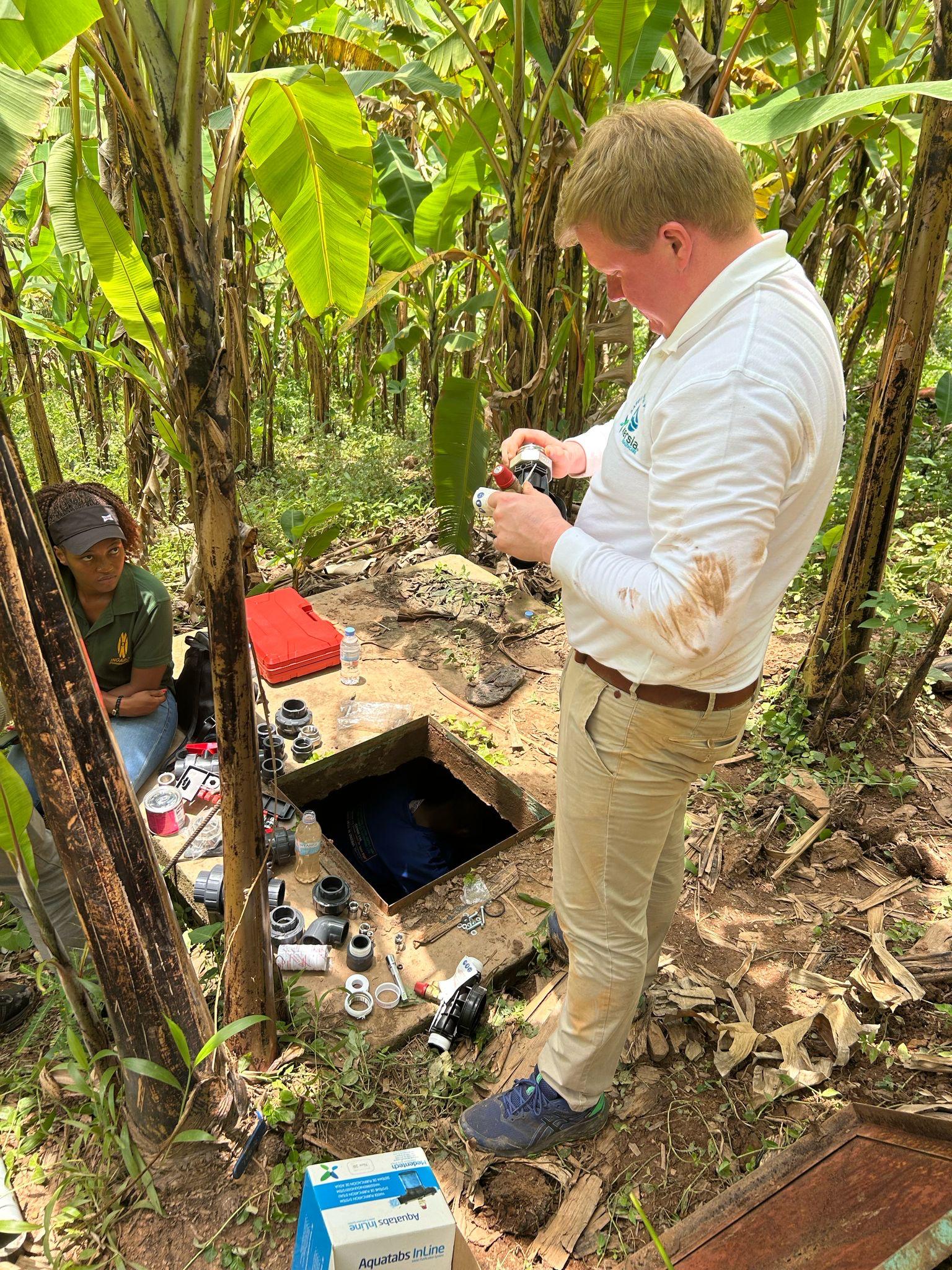
Solutions such as Aquatabs InLine systems support these efforts by providing continuous disinfection directly within water supply lines.
Installed at the point of entry, the system automatically treats water as it flows through the pipe network and can disinfect a minimum of 360,000 litres of water per cartridge, helping bring safe drinking water directly to taps in homes, schools and healthcare facilities in rural communities.
By combining household water treatment, community-level infrastructure and strong distribution systems, safe water solutions can evolve from short-term interventions into reliable community water systems.
When safe drinking water becomes consistently available, the impact extends far beyond health. Reliable access to water supports education, strengthens healthcare services, and helps build the long-term stability of communities.
That is the real goal of building sustainable water systems.