
Strengthening Global Healthcare: Closing the Gaps in Infection Prevention
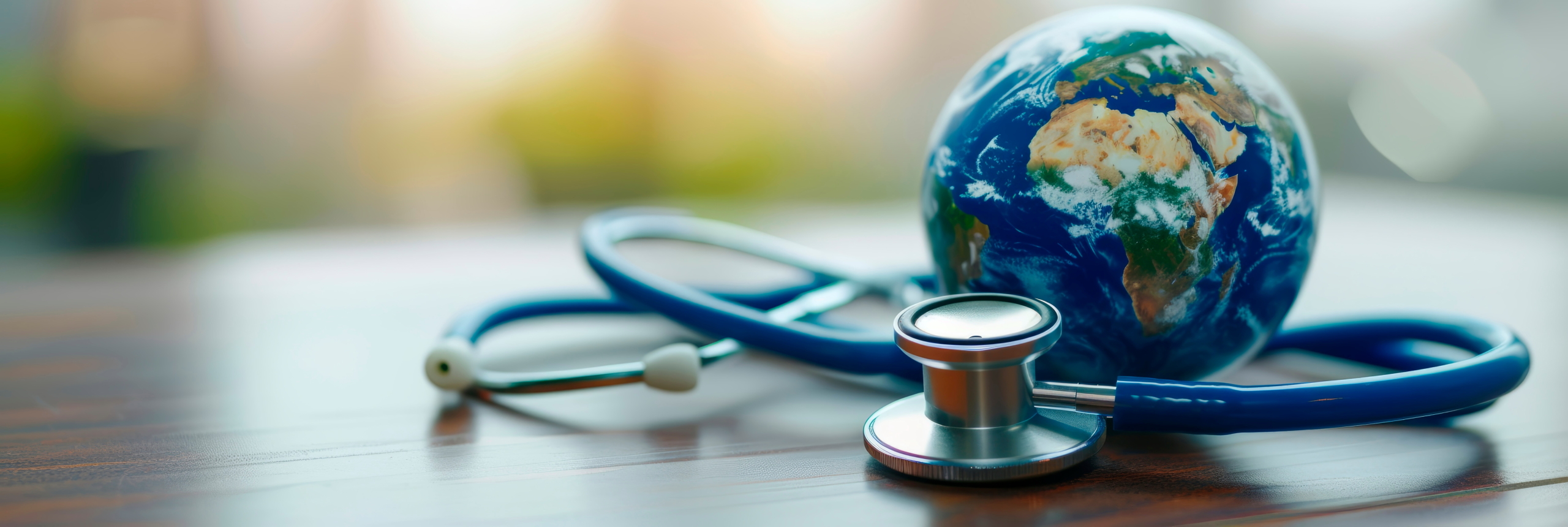
Healthcare-associated infections (HAIs) pose a significant challenge to healthcare facilities worldwide, impacting patient safety and straining care delivery. For healthcare professionals and infection control specialists, understanding and mitigating the risks of pathogen transmission is paramount. This article explores the critical role of effective disinfection in global healthcare settings and highlights the importance of using proven […]
The Silent Killer: Waterborne Disease During Conflict and Displacement in South Sudan
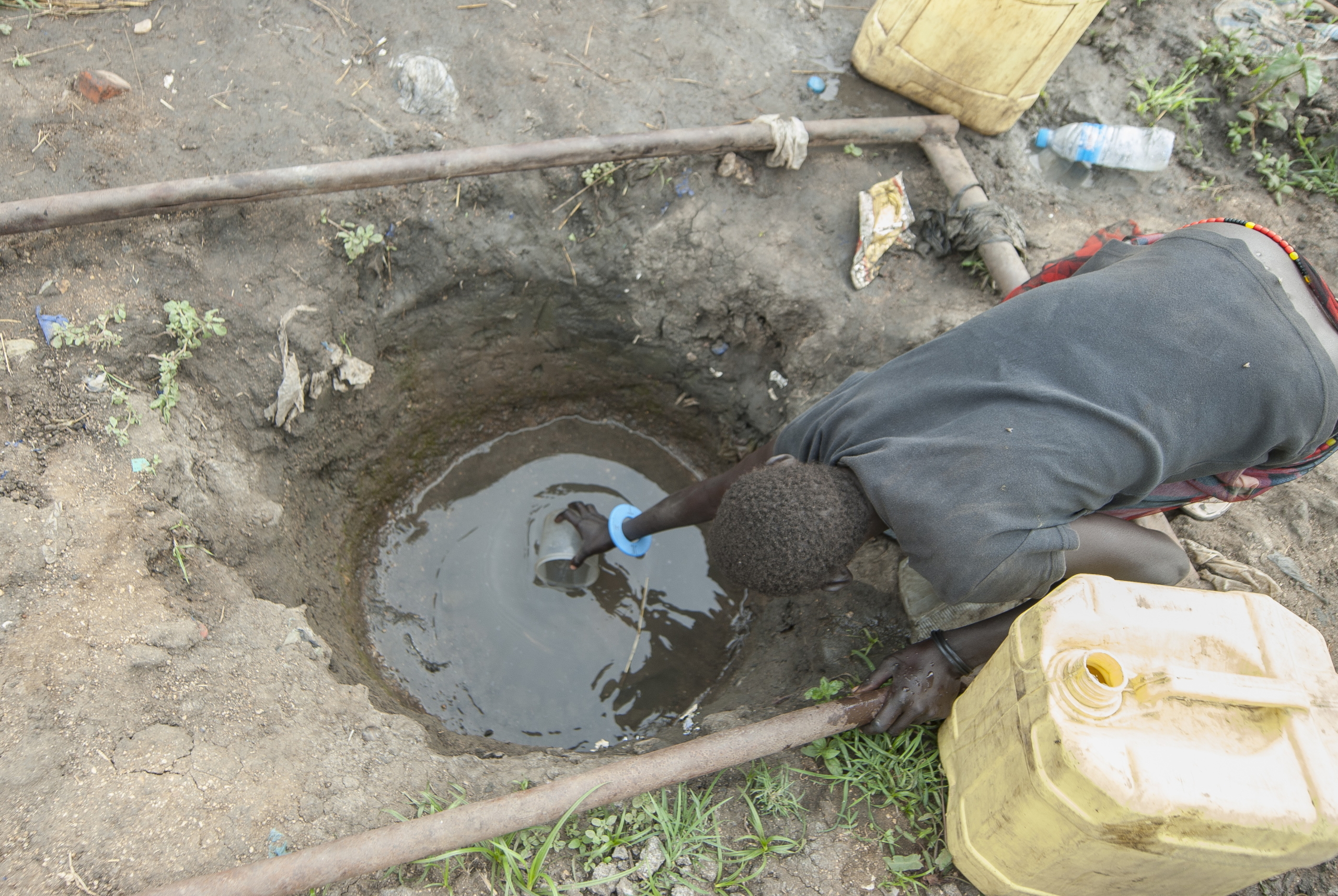
A Deepening Crisis South Sudan is facing a complex humanitarian crisis, with ongoing conflict and mass displacement creating conditions ripe for the spread of disease. The lack of clean water and sanitation is particularly concerning, as waterborne disease in South Sudan is a major threat. Cholera outbreaks fuelled by a lack of access to clean […]
Dengue in Europe: A Growing Concern Fuelled by Climate Change and Globalisation
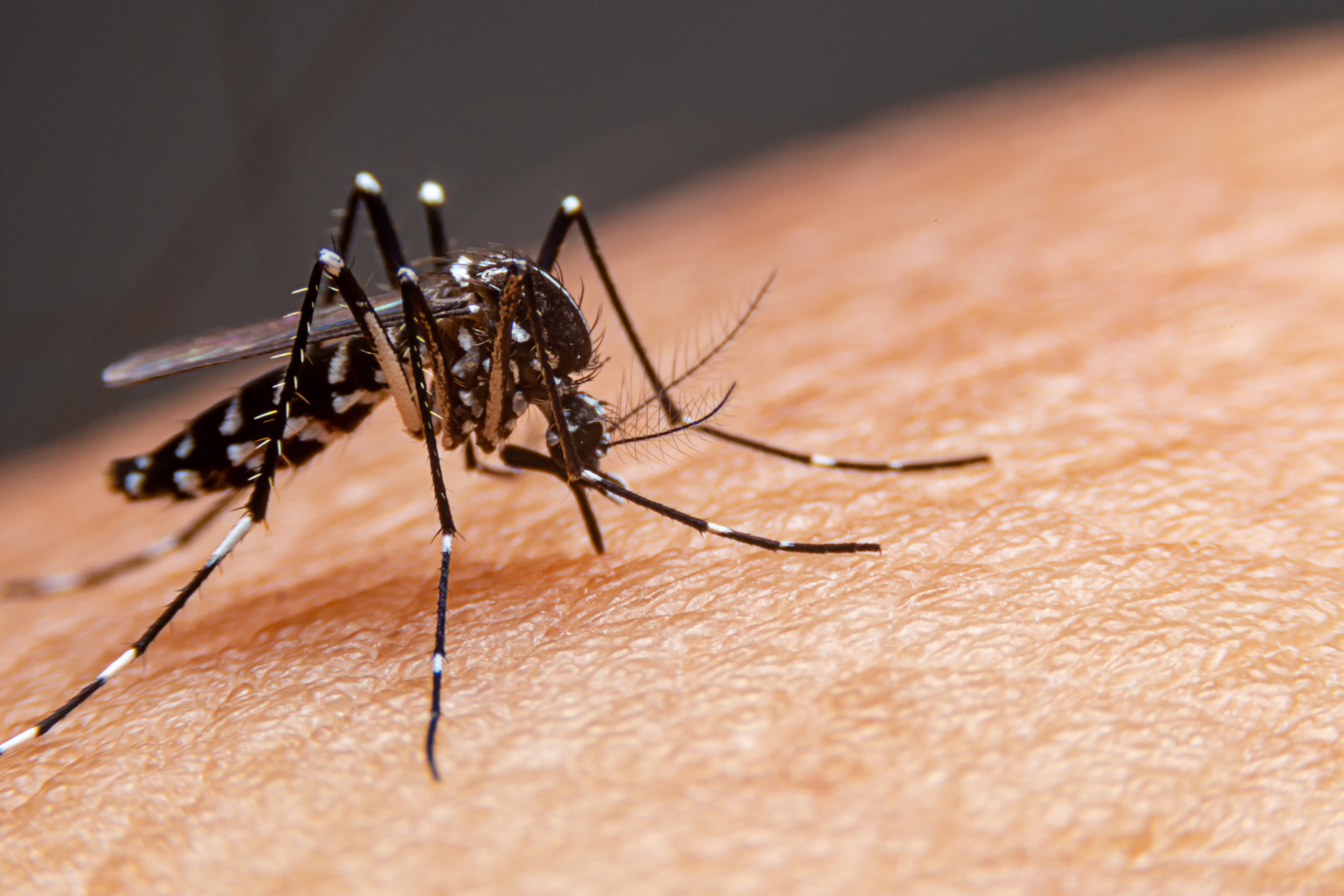
Dengue fever, a viral infection historically confined to tropical and subtropical regions, is increasingly being reported across Europe. This concerning trend raises critical questions about the complex relationship between climate change, globalisation, and public health. At Kersia Healthcare, we recognise the importance of staying informed about emerging health threats and providing actionable advice to safeguard […]
Peru’s Devastating Floods: Understanding the Crisis and the Critical Need for Safe Water
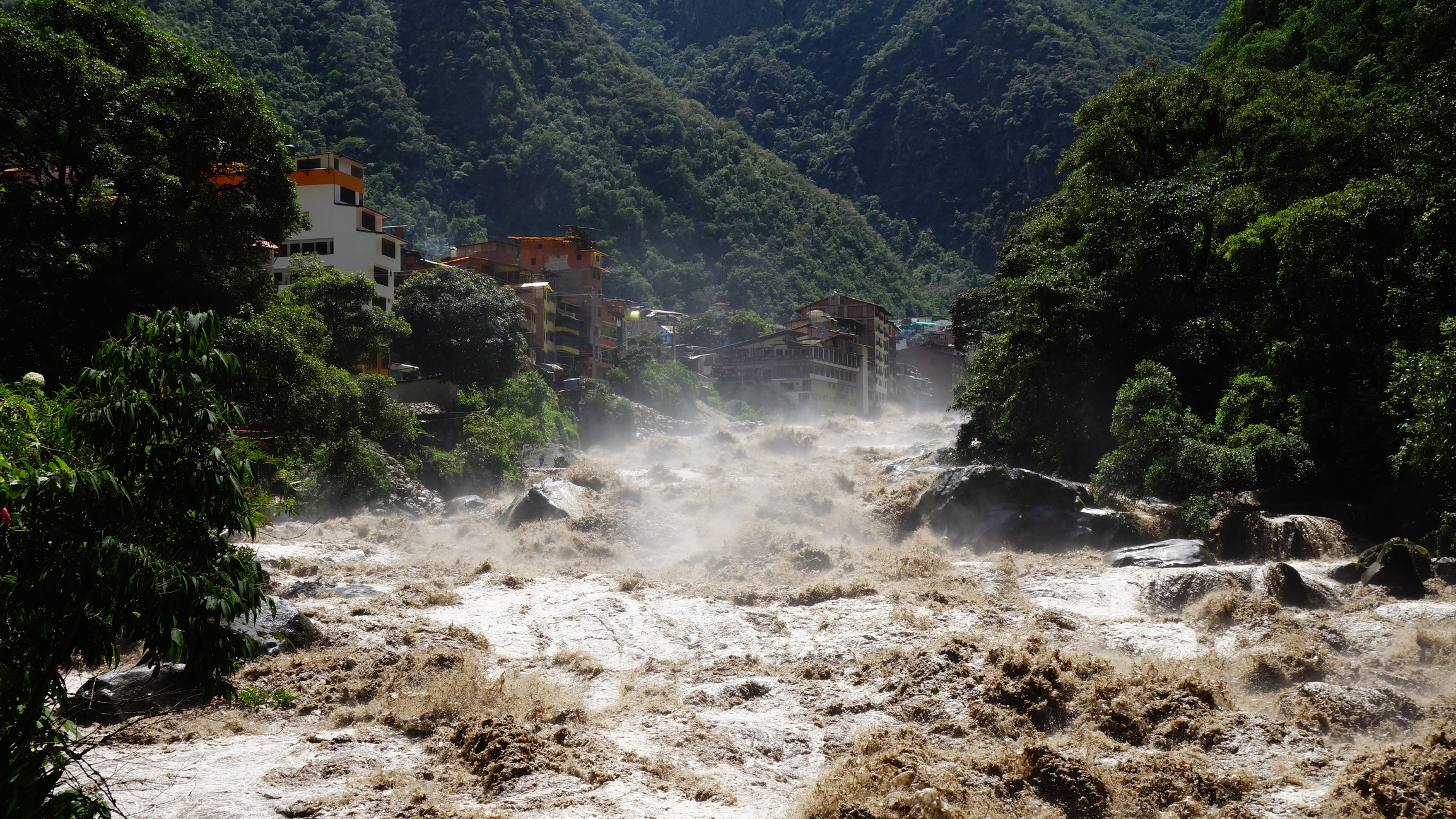
Access to safe water after the Peru floods is a major concern. Weeks of intense rainfall have triggered widespread landslides and devastating floods across 20 of Peru’s 24 regions, creating a severe humanitarian crisis. The disaster has directly affected over 57,000 people, and that number is expected to climb. An estimated 17,000 children, amongst the […]
Ebola Outbreaks in Uganda: Protecting Healthcare Workers

Protecting healthcare workers from Ebola in Uganda is paramount. Ebola virus disease (EVD) is a rare but deadly disease that continues to pose a threat, particularly in sub-Saharan Africa. The virus spreads through direct contact with infected animals or humans, and outbreaks can have devastating consequences. This blog post examines the challenges of Ebola, […]
Global Tourism Resilience Day: Ensuring Safe and Sustainable Travel for All

Every year on February 17th, the world comes together to celebrate Global Tourism Resilience Day. This UN-recognized day highlights the importance of building a strong and adaptable tourism sector that can withstand unexpected challenges. Tourism is a vital economic driver for many countries, but it’s also vulnerable to events like natural disasters, health crises, and […]
Mother Nature’s Fury: Disaster Water Purification in an Increasingly Unstable World
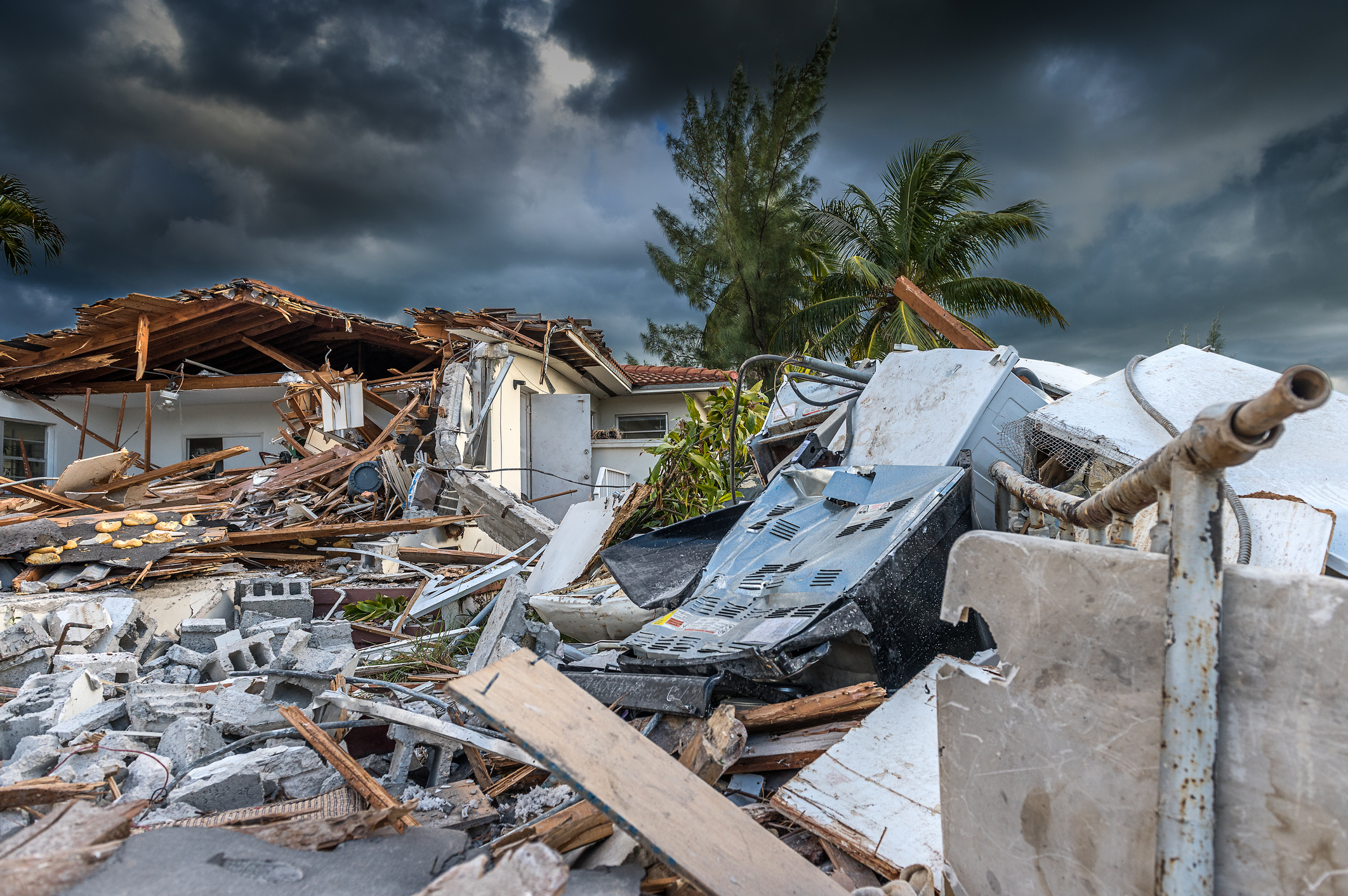
A World Increasingly at Risk The earth is restless. From the recent devastating earthquakes in Vanuatu and Ethiopia to the ever-present threat of hurricanes, floods, and wildfires, natural disasters are a stark and increasing reality of life on our planet. The rapid acceleration of climate change exacerbates these events, leading to more frequent and intense […]
Infection Prevention Training: Why It’s Key

Infection prevention isn’t just about policies and checklists—it’s about PEOPLE. Effective Infection Prevention Training is essential for every successful program. Well-trained staff and infection preventionists (IPs) work hand in hand. Why? Because even the best strategies fail without the right team to implement and sustain them. Comprehensive infection control training is essential for the following […]
Combatting Cholera: Safe Water Solutions in Displacement Camps
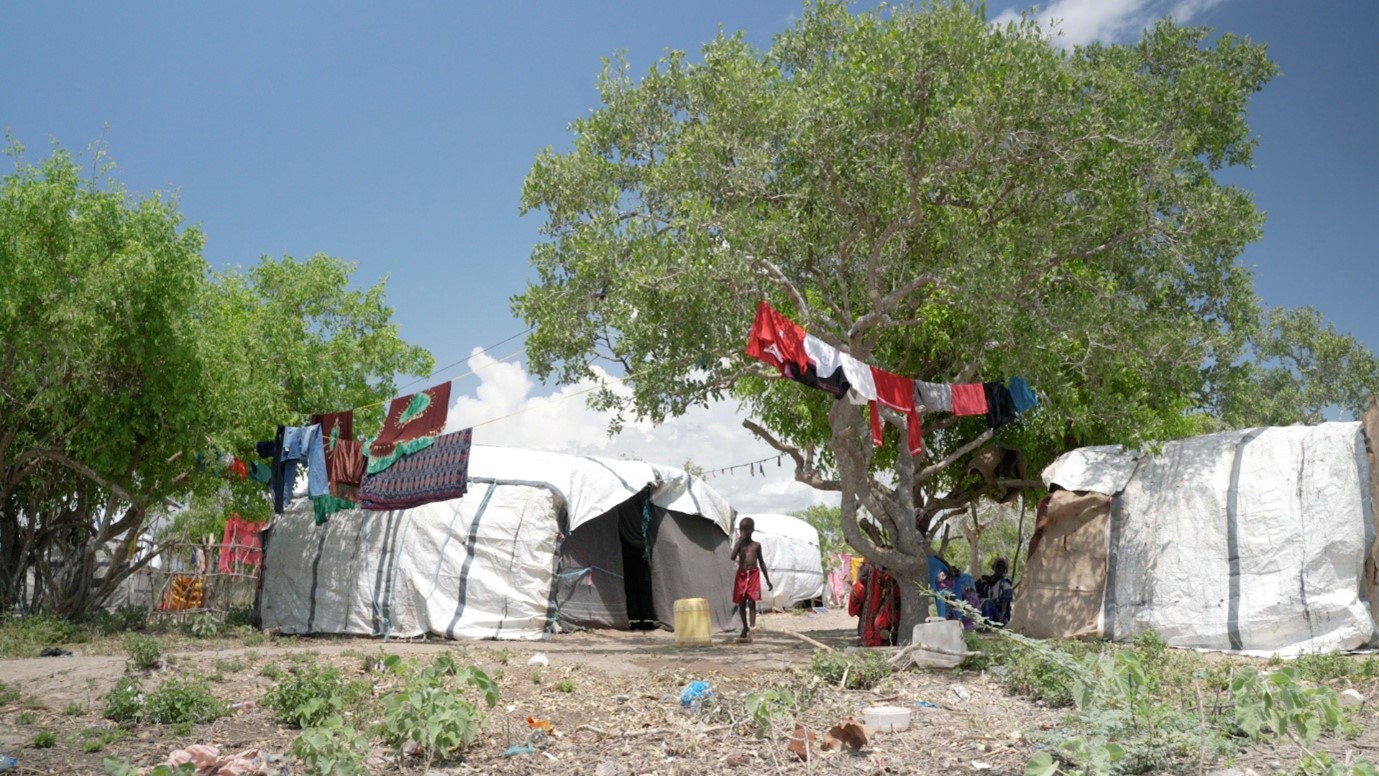
This blog post explores the critical aspects of cholera prevention in displacement camps, highlighting the urgent need for safe water and effective hygiene practices. Cholera remains one of the most devastating public health threats in displacement camps, where overcrowding, inadequate sanitation, and limited access to clean water create ideal conditions for its rapid spread. […]
Why Clean Water Matters in Urban Slums
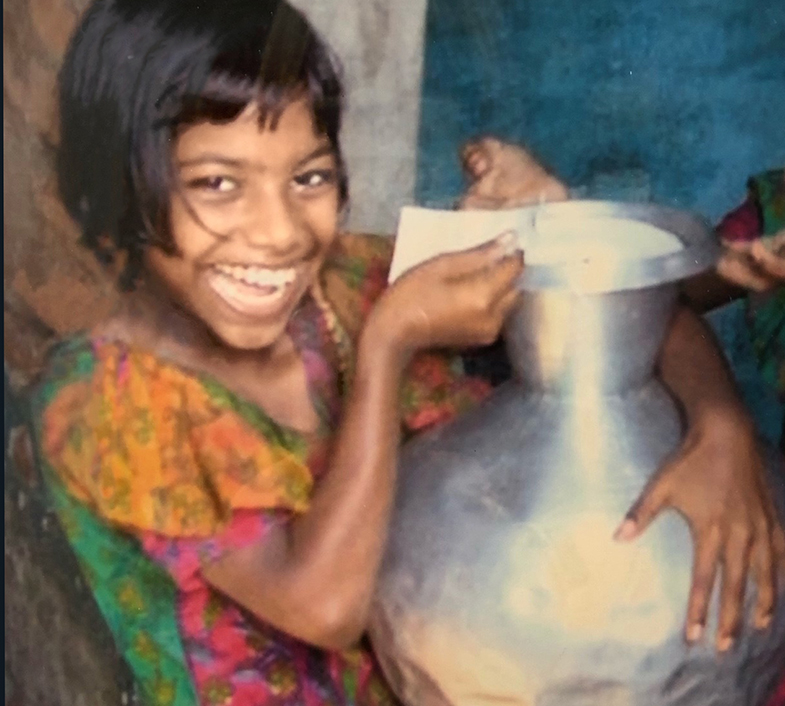
Access to clean water is a fundamental human right, yet it remains tragically out of reach for millions residing in urban slums within Least Developed Countries (LDCs). Consequently, these densely populated areas face unique challenges that exacerbate water scarcity and contamination, leading to severe health and socio-economic consequences. Current Water Challenges in Urban Areas of […]