
The Importance of Safe Drinking Water
Access to safe drinking water is a fundamental human right, yet billions of people around the world still rely on sources that are potentially contaminated. Unsafe water is a primary cause of preventable waterborne diseases like cholera, typhoid, and dysentery, which are especially dangerous for children and vulnerable populations. Ensuring water is safe at the point of consumption is one of the most critical and impactful steps in public health. This guide offers a straightforward and effective method for water purification using Aquatabs, a globally trusted brand of water purification tablets.
Understanding Water Purification Tablets: How Aquatabs Work
Before diving into the steps, it’s helpful to understand the chemistry behind Aquatabs. Aquatabs use sodium dichloroisocyanurate, a chlorine-based compound, as their active ingredient. When dissolved in water, this compound releases free chlorine, which acts as a powerful disinfectant. The chlorine oxidises and destroys the cell walls of harmful microorganisms, such as bacteria, viruses, and certain cysts, effectively rendering them inactive and making the water safe to drink. This process makes portable water treatment accessible and reliable in various scenarios, from camping water purification to emergency water purification.
The Simple 6-Step Guide to Using Water Purification Tablets Safely:
- Select the Correct Tablet Size for Your Water Volume: Aquatabs are available in various sizes, each specifically designed to treat a designated volume of water. Always refer to the packaging to ensure you select the appropriate tablet for your container.
- If the Water is Cloudy, filter it First Through a Clean Cloth. For effective water purification, physical impurities like dirt, sediment, or debris should be removed. If your water source is visibly cloudy or contains particles, pre-filter it using a clean cloth, coffee filter, or a pre-filter system. This allows the water treatment tablets to work more efficiently on microscopic pathogens.
- Add the Correct Number of Tablets to the Water: Carefully drop the precise number of Aquatabs into your water container, according to the dosage instructions for your chosen tablet size.
- Stir Well Until the Tablets Are Fully Dissolved: Ensure the water purification tablets fully dissolve and disperse evenly throughout the water. You can stir with a clean utensil or gently swirl the container.
- Cover the Container and Wait for 30 Minutes: This contact time is critical. The active ingredient needs sufficient time to neutralise harmful microorganisms. Do not drink the water before the 30-minute waiting period.
- After the 30-minute Waiting Period, the Water is Safe to drink: Once the recommended time has passed, your water is now disinfected and safe for consumption.
Which Aquatabs Tablet Do I Need?
- For Small Containers (4-5 Litres): Use one Aquatabs 33mg tablet. Ideal for personal bottles or small buckets. Therefore, the Aquatabs 33mg pack is perfectly suited for individual use, especially for travellers and emergency kits.
- For Medium Containers (20 Litres): Use one Aquatabs 67mg tablet. Perfect for a standard Jerry can.
- For Large Containers (25 Litres): Use one Aquatabs 167mg tablet. Designed for large drums.
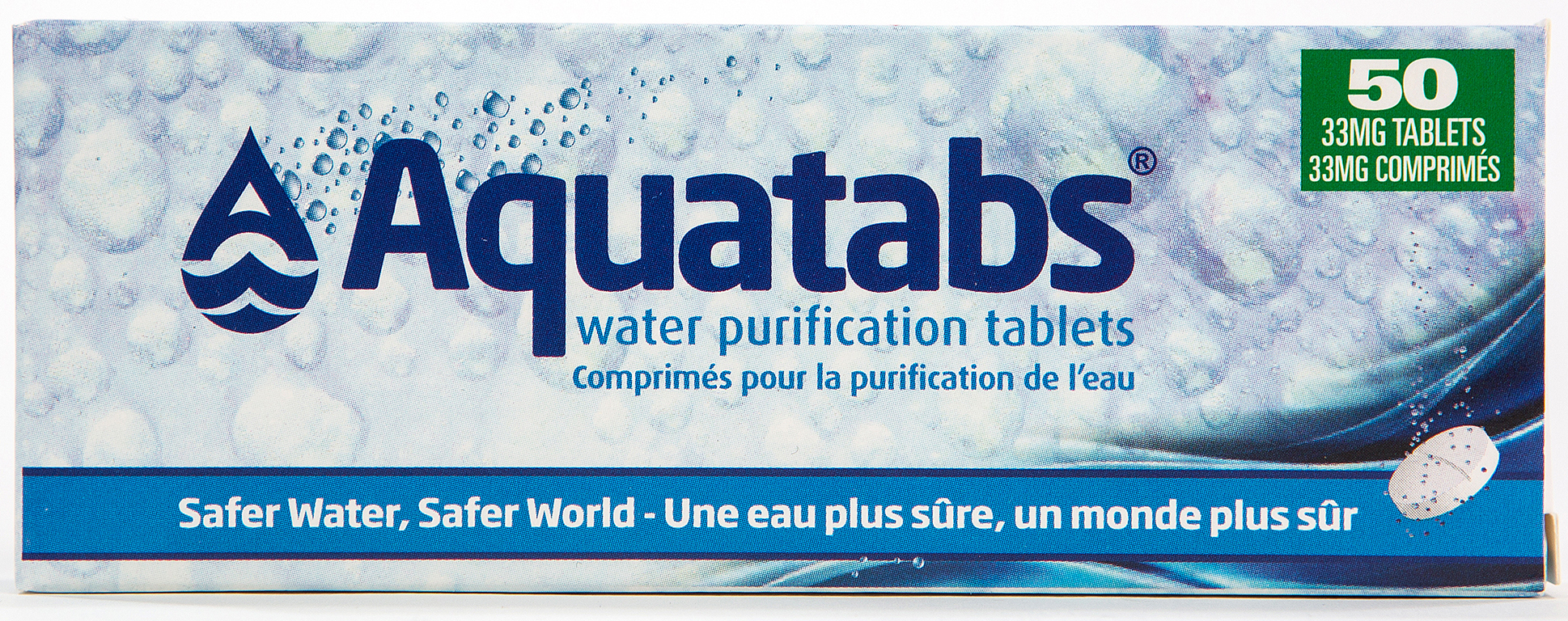
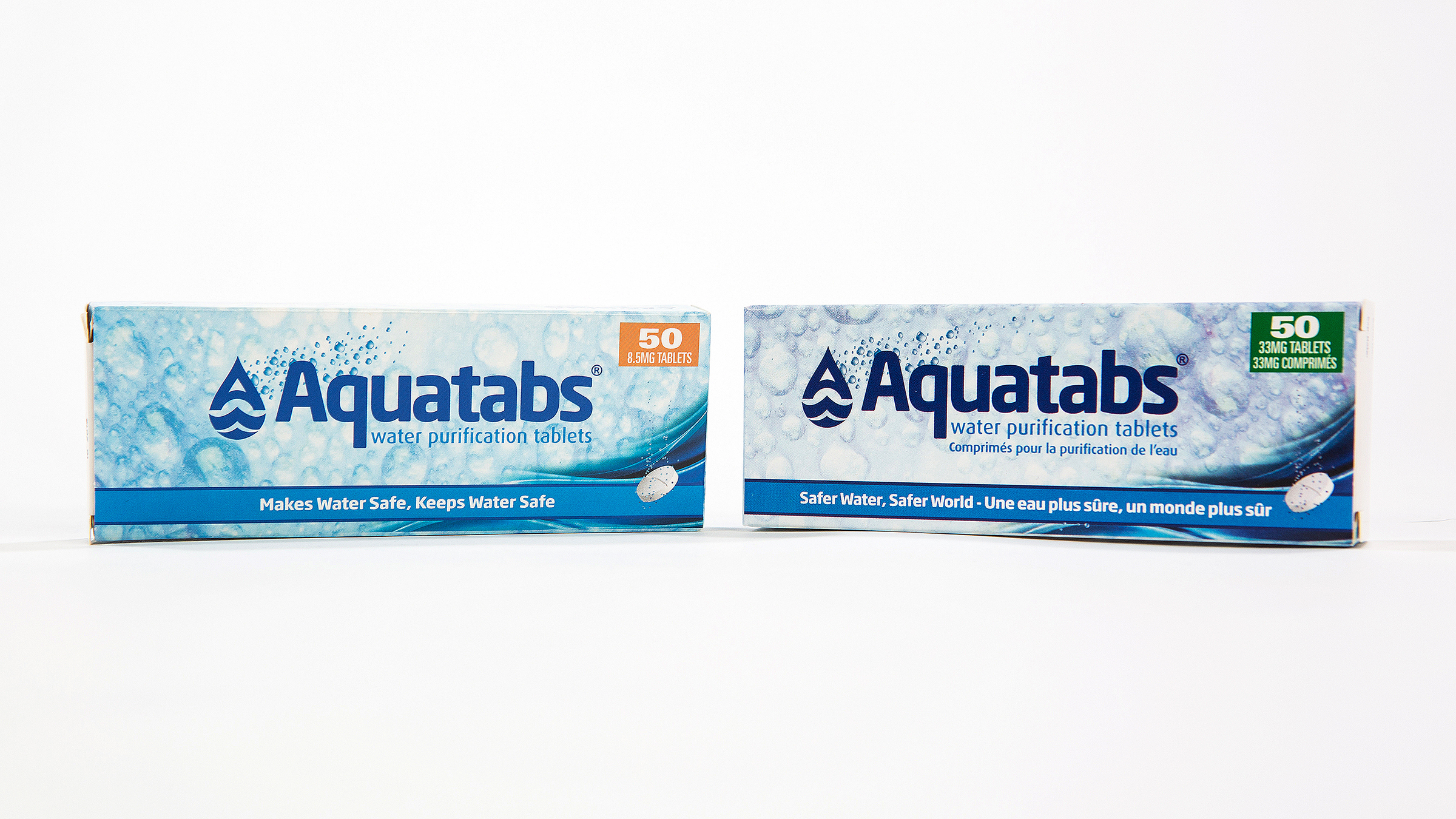
The Aquatabs 33mg pack is ideal for personal use, designed for travellers and emergency kits. Aquatabs 67mg strips are perfect for household water treatment and can be distributed in larger cartons.
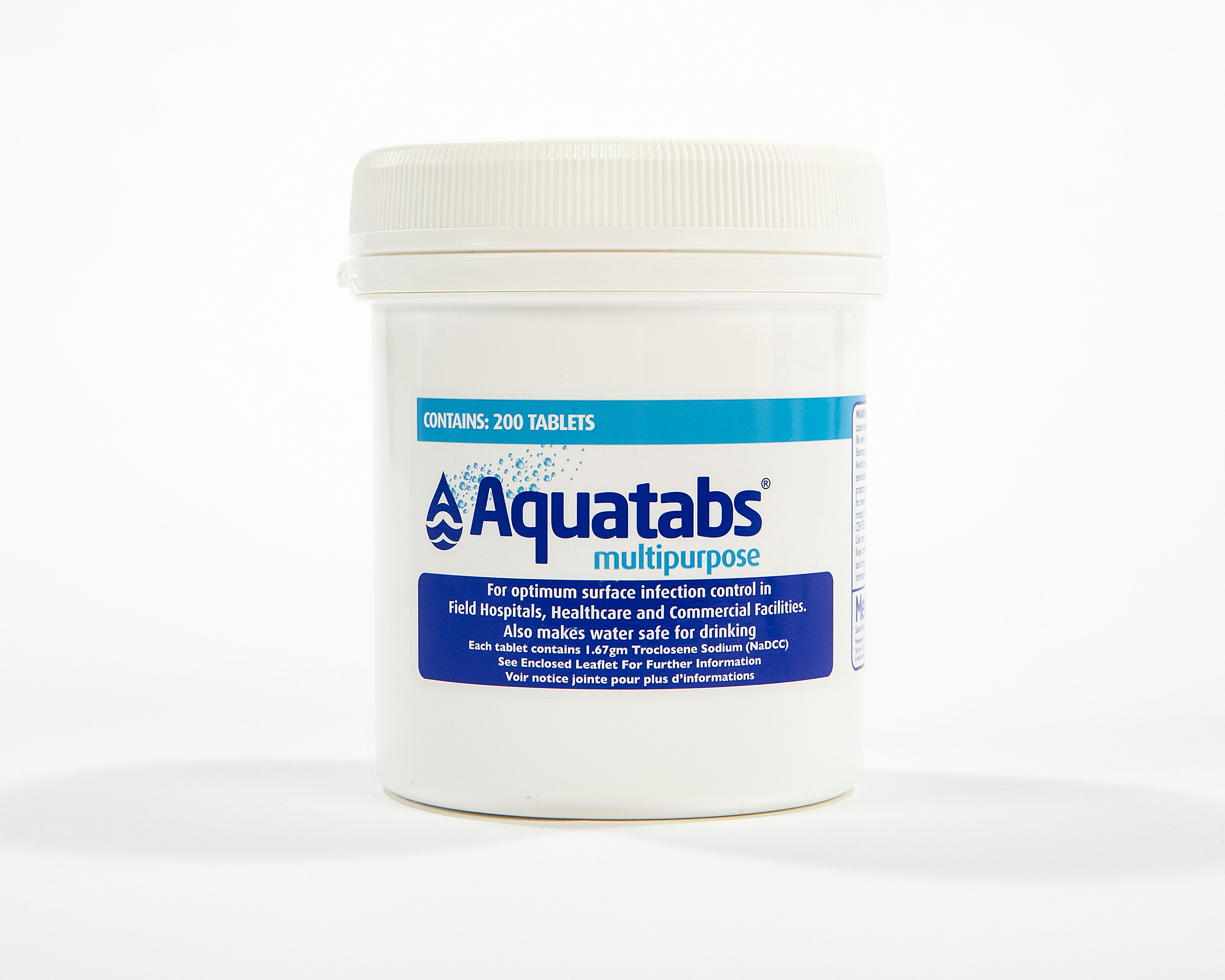
The Aquatabs Multipurpose tub is designed for disinfecting larger volumes of water in community or healthcare settings.
Important Safety Reminders for Using Water Purification Tablets:
- Always use the correct tablet for your volume of water.
- If water is visibly dirty, you must filter it first.
- Ensure you wait the full 30 minutes before drinking.
- Store your tablets in a cool, dry place.
The Aquatabs Difference
- “Trusted by NGOs and health agencies worldwide…”
- The statistics on diarrhoeal diseases.
- The certifications (NSF, US EPA).
Frequently Asked Questions (FAQ) about Water Purification Tablets:
Do water purification tablets work?
Yes, absolutely. Aquatabs are a globally trusted and scientifically proven method for disinfecting water. They are certified to NSF/ANSI Standard 60 and their active ingredient is approved by the U.S. EPA. Clinical testing shows they are effective at killing harmful microorganisms, leading to a 99.9999% reduction in bacteria, 99.99% reduction in viruses, and 99.9% reduction in Cysts like Giardia. This makes them highly effective for emergency water treatment and general water purification.
How long does it take for water purification tablets to work?
Aquatabs require a minimum of 30 minutes to effectively disinfect water. This waiting period is essential to give the active ingredient enough contact time to neutralise harmful microorganisms like bacteria and viruses, ensuring the water is safe to drink.
Can you use water purification tablets on any water?
Aquatabs are most effective when used in clear water. For instance, if your water source is cloudy, muddy, or has visible particles, you must filter it through a clean cloth or a dedicated water filter first. This removes the larger particles and allows the tablet’s disinfecting action to work effectively on the microscopic organisms you can’t see.
Using Aquatabs correctly is a simple, fast, and reliable method to ensure your drinking water is safe from harmful microorganisms. By following these easy steps, you can have peace of mind whether you are travelling, camping, or facing an emergency at home.
Make an Enquiry About Bulk Orders or Distribution